Have you ever felt a little low on energy or wondered why your bones feel achy? The answer might be a tiny but powerful nutrient: Vitamin D. Often called the “sunshine vitamin,” Vitamin D plays a crucial role in our health, from the strength of our bones to the function of our immune system. Let’s break down everything you need to know about this essential vitamin.
What Exactly is Vitamin D, and Why is it So Important?
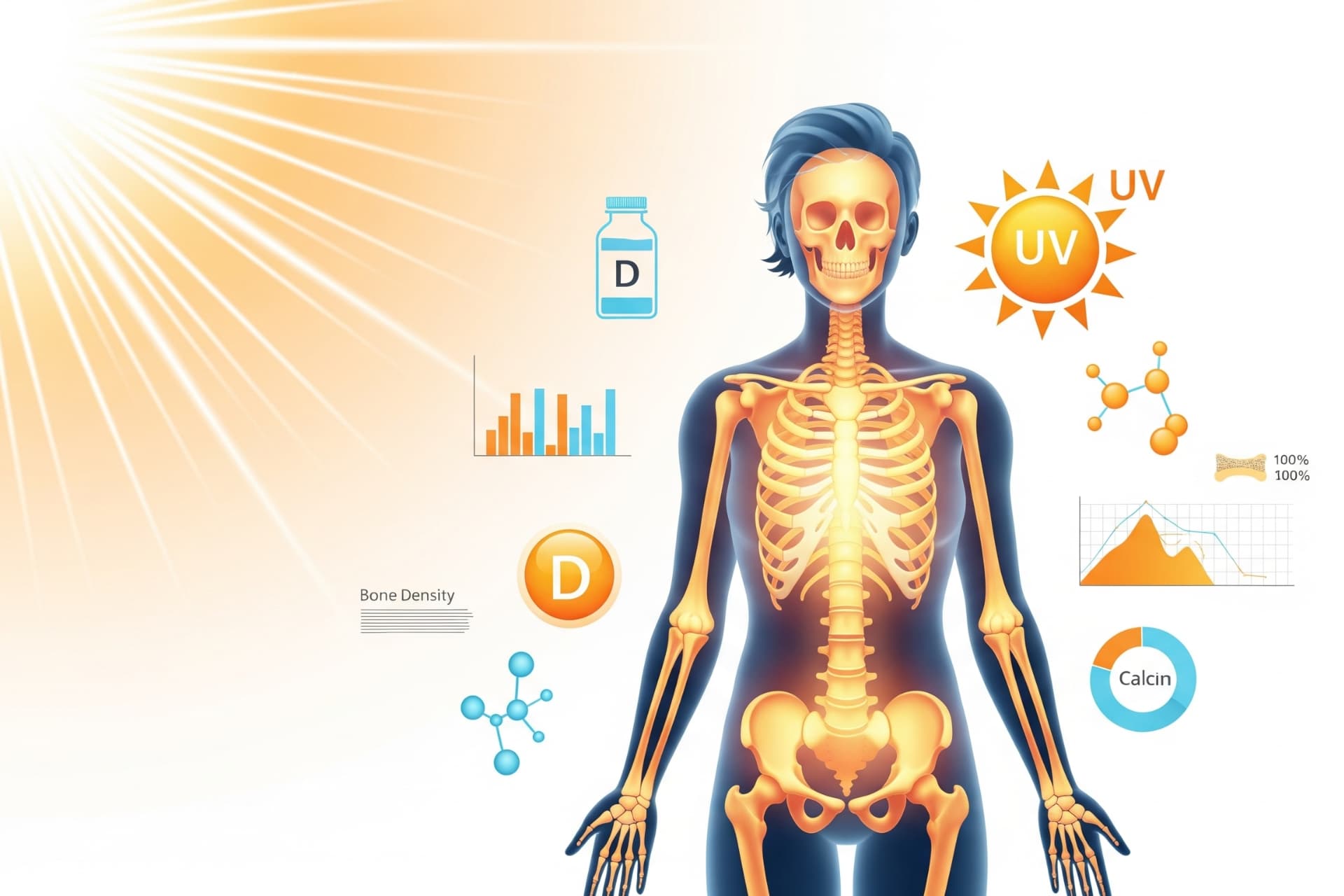
Vitamin D is a fat-soluble vitamin essential for various bodily processes. Its primary job is to help your body absorb calcium and phosphate from the food you eat. These two minerals build strong, healthy bones, teeth, and muscles. Without enough vitamin D, your body cannot use calcium properly.
But its benefits don’t stop there. Vitamin D also:
- Boosts your immune system: It helps your body fight off infections and diseases.
- Supports muscle function: It’s essential for proper muscle movement.
- Aids in cell growth and repair: It helps your body maintain healthy cells.
Where Does Vitamin D Come From?
There are a few ways to get your daily dose of vitamins. D:
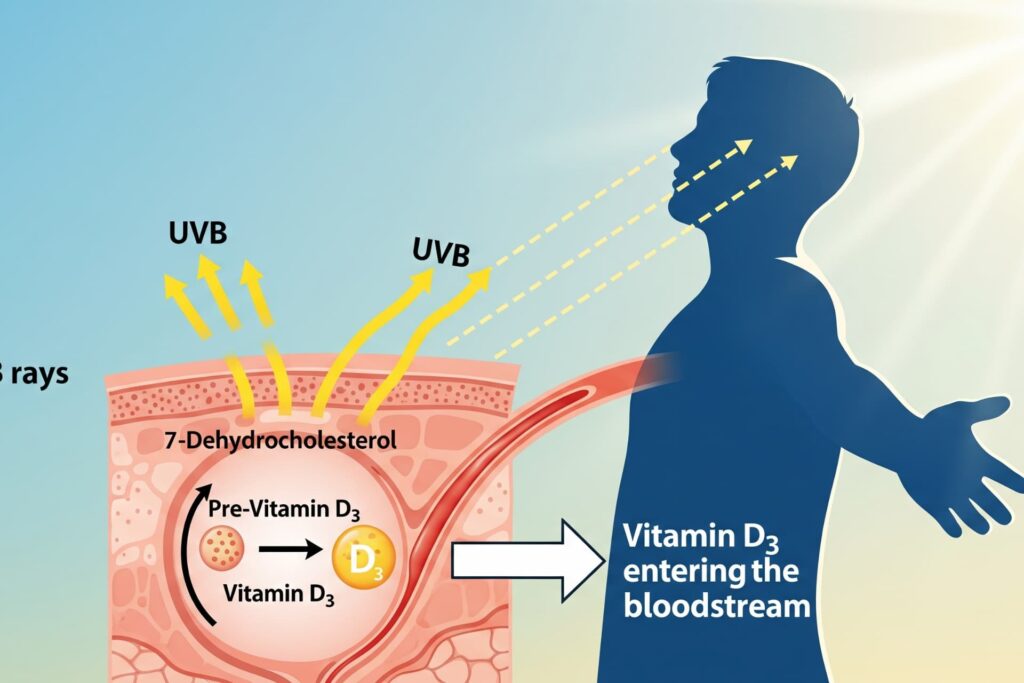
1. Sunlight: The best source of vitamin D is sunlight. When UVB rays strike your skin, they trigger a vital process. This process generates vitamin D3. Your skin contains 7-dehydrocholesterol. This compound absorbs the UV rays. It converts them into a precursor for the vitamin. For best results, seek the sun when it’s high. Be careful, though. Staying out for too long can be dangerous.
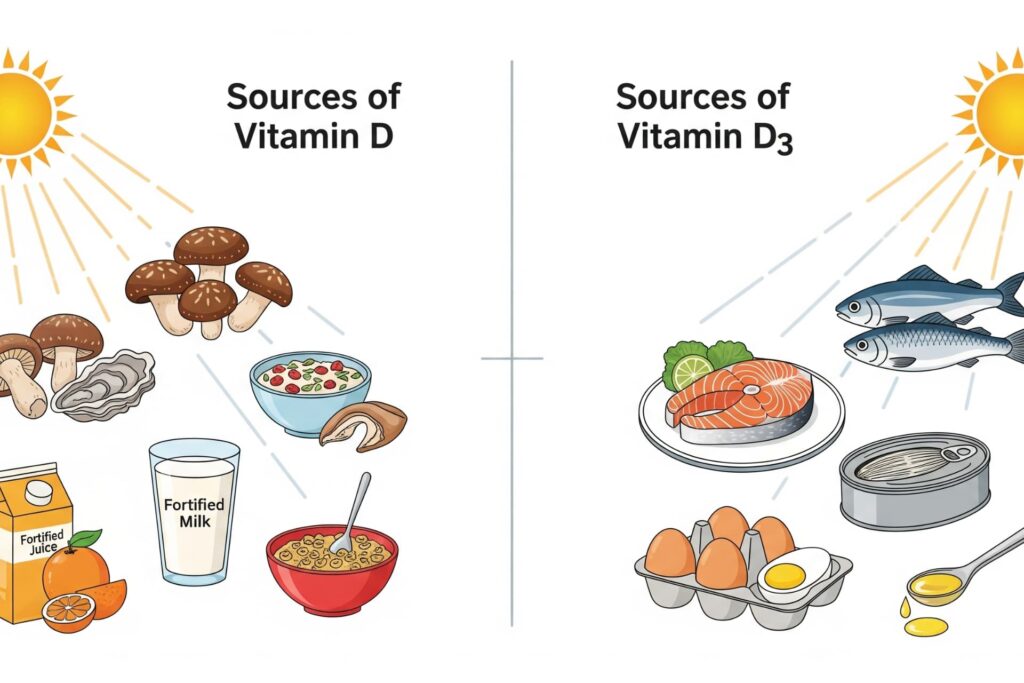
2. Food: While it’s difficult to get all your vitamin D from food alone, some foods are great sources.
- Fatty Fish: Salmon, mackerel, sardines, and tuna are excellent sources.
- Cod Liver Oil: A very rich source of Vitamin D.
- Mushrooms: Some mushrooms, especially those exposed to UV light, contain vitamin D2.
- Fortified Foods: Many foods have added vitamin D. Look for it in milk, cereals, orange juice, and yogurt.

3. Supplements: Supplements are a great choice for many people. They ensure you maintain enough vitamin D. This is crucial during seasons with less sun. These supplements are often vitamin D3, the same type your body makes from the sun.
Can Vitamin D Give You Energy?
This is a very common question. Vitamin D does not give you a direct burst of energy, like caffeine would. However, a deficiency often causes tiredness and low energy. If your vitamin D level is low, a supplement can reduce fatigue and improve how you feel overall. It’s not an energy drink, but it helps your body function properly, which in turn can combat fatigue.
What Are the Symptoms of Vitamin D Deficiency?
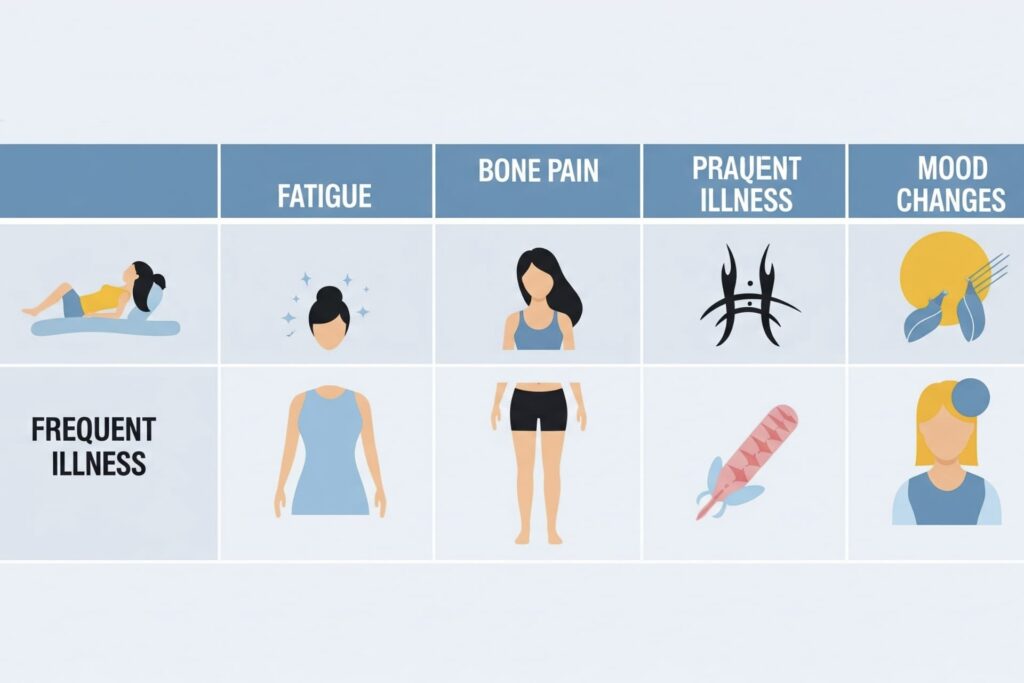
A lack of vitamin D is more common than you might think. Symptoms can be subtle, but a severe deficiency can cause:
- Chronic fatigue and low energy
- Frequent illness
- Bone pain
- Muscle aches
- Hair loss
- Depression or mood changes
Are you concerned about your vitamin D levels? A simple blood test can give you an answer. This test is called the 25-hydroxy vitamin D test. It measures the amount of vitamin D in your blood. Your doctor can use the results to tell you if you need supplements or lifestyle changes.
A Few Quick Q&A’s
- Will Vitamin D cause constipation? No, in fact, a deficiency can sometimes be linked to gastrointestinal issues. An overdose of vitamin D is dangerous. It causes too much calcium in your blood. This is called hypercalcemia. It can lead to constipation, nausea, and vomiting. This is why it’s important to stick to recommended doses.
- Can vitamin D cause diarrhea? Vitamin D does not directly cause diarrhea. Still, an overdose can cause many digestive issues. Conversely, low vitamin D might be linked to more diarrheal illnesses in children.
- Are Vitamin D and D3 the same? “Vitamin D” is a general term for a group of nutrients. Vitamin D3 (cholecalciferol) is a specific type of vitamin D. It is made in your skin from sunlight. You can also find it in animal-based foods. It is generally considered the more effective form of vitamin D for the human body.
- Is Vitamin D safe for babies? Yes, vitamin D drops are safe. They are often suggested for newborns who are breastfed. Breast milk usually does not contain high enough amounts. This helps prevent rickets and ensures healthy bone development. Always consult with a pediatrician for the right dosage.
- Can vitamin D keep you awake? No, vitamin D does not have any stimulating properties. In fact, some studies suggest a benefit. Having enough vitamin D can help improve your sleep quality.
Final Thoughts
Vitamin D is a powerhouse nutrient that is crucial for your health. You can get vitamin D from the sun, your diet, or a supplement. Just make sure you have enough. This can make a big difference in how you feel daily. If you suspect you have a deficiency, talk to your doctor to find out the best way to get your levels back on track.
Stay updated with the latest blogs by visiting our website.