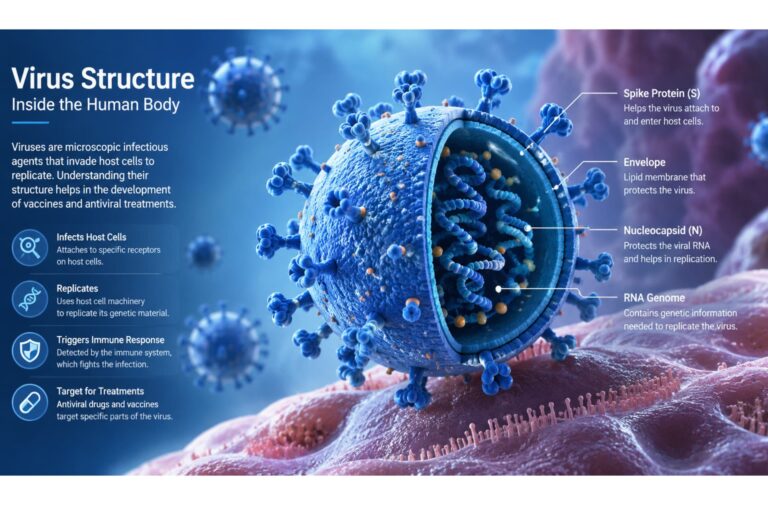
“Cancer” is a word that immediately triggers fear. However, transforming that fear into awareness is our most powerful tool against this complex disease. Knowing how cancer starts, what the early warning signs are, and what drives its development empowers us to take control of our health.
This comprehensive guide takes a deep dive into the facts surrounding cancer. We will explore the common symptoms your body uses to alert you, examine the primary causes that account for the majority of cases, discuss survival rates, and outline practical steps for risk reduction.
How Will Cancer Start? The Biology of Uncontrolled Growth
Before we discuss symptoms, it is vital to understand the basic mechanism of cancer. Essentially, cancer is not one disease but over 100 diseases characterized by uncontrolled cell growth.
The Cellular Foundation of Cancer
Normally, the cells in your body grow, divide, and die in an orderly cycle. New cells are only created when the body needs them. Cancer starts when genetic alterations—mutations—disrupt this precise process. These mutations can instruct a healthy cell to behave abnormally in three key ways:
- Allow Rapid Growth: The mutation tells the cell to grow and divide much faster than normal. This creates a huge number of new cells, all carrying the same defect.
- Fail to Stop Growing: Normal cells have “tumor suppressor genes” that tell them when to stop dividing. Cancer cells lose these controls, allowing them to accumulate endlessly.
- DNA Repair Failure: Normally, DNA repair genes fix errors. When these repair genes are mutated, other errors go uncorrected, leading the cell down a path toward becoming cancerous.
When these altered cells continue to grow and accumulate, they form a mass of tissue known as a tumor.
What is 90% of Cancer Caused By? Addressing the Main Drivers
A common question is: What is 90% of cancer caused by? While over 90% of cancers show some type of genetic alteration, the vast majority of these alterations are not inherited. Instead, they are sporadic, meaning they occur by chance or result from environmental and lifestyle exposures over many years.
In fact, only about 5% to 10% of all cancer cases result from specific inherited gene mutations (like BRCA1 and BRCA2).
This means that the biggest driver—responsible for the vast majority of cancer cases—is the cumulative effect of modifiable risk factors. These factors introduce chronic cellular damage that leads to the necessary mutations.
The Top 10 Causes of Cancer: Modifiable Risk Factors
Understanding the primary causes of cancer is crucial for prevention. Many of the factors below are entirely within your control.
1. Tobacco Use and Smoking
Smoking remains the leading cause of cancer worldwide. Tobacco use, including cigarettes, cigars, pipes, and chewing tobacco, links to cancers of the lung, mouth, throat, esophagus, bladder, kidney, pancreas, liver, and cervix. Exposure to secondhand smoke also significantly increases risk.
2. Diet and Nutrition
An unhealthy eating pattern, especially one low in fruits, vegetables, and fiber, but high in processed meats, red meats, and refined sugars, is a major contributor. Poor diet links strongly to colorectal and stomach cancers. Furthermore, high consumption of ultra-processed foods is a growing concern.
3. Excess Body Weight and Obesity
Being overweight or obese increases the risk of at least 13 different types of cancer. Excess body fat produces hormones and growth factors that can promote cell proliferation. Maintaining a healthy weight through diet and exercise is a vital preventive measure.
4. Physical Inactivity
A sedentary lifestyle increases cancer risk independent of weight. Physical activity helps control weight, improves hormone levels, and boosts immune system function, all of which protect against cancer.
5. Alcohol Consumption
Drinking alcohol increases the risk of seven types of cancer, including breast, liver, mouth, throat, esophagus, and colon cancer. Experts agree that there is no safe level of alcohol consumption regarding cancer risk.
6. UV Radiation and Sun Exposure
Ultraviolet (UV) radiation from the sun and tanning beds is the main cause of skin cancer. The damage from UV rays accumulates over time, making sun protection a lifelong necessity.
7. Certain Infections (Viruses and Bacteria)
Viral, bacterial, or parasitic infections can trigger cancer. Key examples include:
- Human Papillomavirus (HPV): Linked to cervical, anal, throat, and other cancers. Vaccination prevents over 90% of HPV-related cancers.
- Hepatitis B and C: Associated with liver cancer.
- H. pylori: A bacterium linked to stomach cancer.
8. Family History and Genetics
While a small percentage, inherited gene mutations (like BRCA1/2 or Lynch syndrome) still represent a significant risk factor for specific individuals. Screening and genetic counseling are essential for those with a strong family history.
9. Occupational and Environmental Exposure
Coming into contact with harmful chemicals at home or work—such as asbestos, arsenic, or certain industrial chemicals—can increase the risk of specific cancers.
10. Ionizing Radiation
Exposure to medical radiation (like repeated high-dose CT scans) and radon gas (a natural element that can accumulate in homes) contributes a small but measurable risk.
How Does Your Body Warn You of Cancer? Recognizing Early Signs
Early detection is the single most effective way to improve survival rates. This section addresses two of your key questions: What are the 7 symptoms of cancer? And how does your body warn you of cancer?
The body often gives subtle, persistent signals. Most symptoms are caused by other, less serious conditions. However, if any of these signs persist for more than two weeks, you must consult a doctor.
The 10 Early Signs of Cancer You Should Never Ignore
The American Cancer Society often highlights a well-known set of warning signs. The key is to notice any change that is unusual for your body and does not go away.
| Sign | Description & Potential Cancers |
| Unexplained Weight Loss | Losing weight without trying (e.g., 10 pounds or more). Common in pancreatic, stomach, esophageal, or lung cancers. |
| Persistent Fatigue | Extreme tiredness that doesn’t improve with rest. Often seen in leukemia or cancers that cause blood loss. |
| Lumps or Thickening | A new lump in the breast, testicle, neck, armpit, groin, or any area of thickening under the skin. |
| Changes in Bathroom Habits | Persistent constipation or diarrhea, or blood in the stool or urine. Potential signs of colorectal or bladder cancer. |
| Persistent Pain | Pain that is unexplained, lasts for weeks, and doesn’t get better. Examples include persistent back pain (pancreatic or colon) or headache (brain tumor). |
| Changes in Skin | A new mole, changes to an existing mole (the ABCDE rule: Asymmetry, Border, Color, Diameter, Evolving), or a sore that won’t heal. This is a primary sign of skin cancer. |
| Unusual Bleeding or Discharge | Any bleeding outside of menstruation, blood in the urine or stool, unusual vaginal bleeding, or coughing up blood. |
| Chronic Cough or Hoarseness | A cough that does not go away or gets worse, or a persistent hoarse voice. Can indicate lung or throat cancer. |
| Difficulty Swallowing or Indigestion | Ongoing difficulty swallowing or indigestion that is severe or doesn’t resolve with medication. May signal esophageal or stomach cancer. |
| A cough that does not go away or gets worse, or a persistent hoarse voice. It can indicate lung or throat cancer. | Persistent, unexplained fevers or excessive night sweating that is not normal for you. Often related to certain blood cancers like lymphoma. |
The Path to Diagnosis: The 2-Week Rule and Staging

When a doctor suspects cancer based on persistent symptoms, they move quickly. The goal is to reach a confirmed diagnosis and determine the extent of the disease.
The 2-Week Rule for Suspected Cancer
The “2-Week Rule” is a protocol used in many healthcare systems, particularly in the UK. What is the 2-week rule for suspected cancer?
It is a priority appointment system designed to ensure that anyone with symptoms that could possibly indicate cancer is seen by a specialist within two weeks of their GP referral. This expedited process is critical. It allows patients to receive prompt reassurance if cancer is ruled out, or to begin crucial early treatment if cancer is confirmed.
Which Tests Confirm Cancer? The Role of Biopsy
While symptoms raise suspicion and blood tests (like a high white blood cell count in leukemia) or imaging scans (X-ray, CT, MRI) can pinpoint a tumor, only a biopsy can confirm cancer.
A biopsy involves surgically removing a small sample of the suspicious tissue. Pathologists then examine this sample under a microscope to definitively determine if cancer cells are present.
What Are the 5 Stages of Cancer? Understanding the Extent of the Disease
Once cancer is diagnosed, it is assigned a stage. Staging describes the extent of the cancer—how large the tumor is and whether it has spread. The most common staging system is the numerical one:
Stage 0 (In Situ): Abnormal or pre-cancerous cells are present but have not spread beyond where they started. Most Stage 0 cancers are highly curable.
Stage I: The tumor is small and contained to one area. It has not spread to nearby lymph nodes or distant organs.
Stage II: The tumor has grown larger and may have spread to nearby lymph nodes, but still remains relatively localized.
Stage III: The tumor is larger or has grown deeper into surrounding tissues and has likely spread to many nearby lymph nodes.
Stage IV (Metastatic): Cancer has spread (metastasized) from the original site to distant organs or tissues in the body (e.g., colon cancer spreading to the liver).
Treatment, Survival, and Prevention
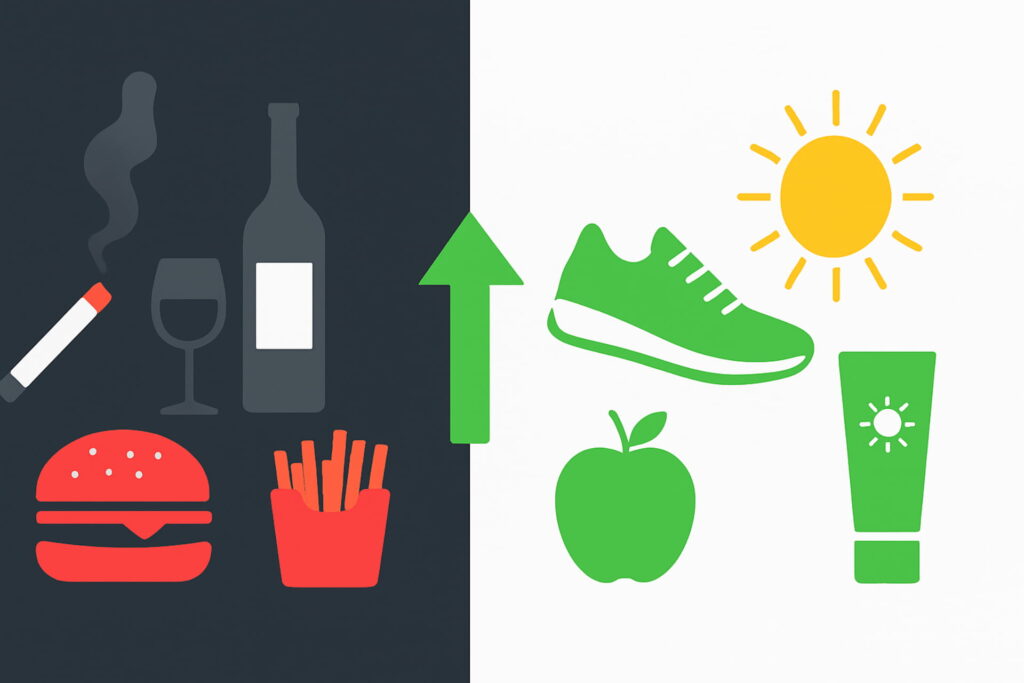
Facing a cancer diagnosis is overwhelming, but modern medicine offers a wide array of advanced treatments, and lifestyle changes offer powerful ways to reduce risk.
What is the Treatment for Cancer?
Cancer treatment is highly individualized, depending on the type, stage, and location of the cancer, as well as the patient’s overall health. The most common treatment options include:
- Surgery: A common treatment for many solid tumors, often used to physically remove the cancerous mass and some surrounding healthy tissue.
- Chemotherapy: involves the use of drugs that target and destroy cells that divide quickly, such as cancer cells.
- Radiation therapy: Uses high doses of radiation to kill cancer cells and shrink tumors.
- Targeted Therapy: Drugs designed to specifically attack the unique vulnerabilities (like gene mutations) in cancer cells, often causing less harm to healthy cells than chemotherapy.
- Immunotherapy is a treatment that uses the body’s natural immune system to combat cancer.
When is Chemo Not an Option?
Chemotherapy may not be an option in several situations:
- Patient Health: If a patient’s overall health is too poor to tolerate the significant side effects of chemo.
- Cancer Type: Some cancers (like early-stage prostate cancer or certain skin cancers) do not respond well to chemotherapy and are better treated with surgery, radiation, or hormone therapy.
- Advanced Age: In very frail, elderly patients, the risks of chemo may outweigh the potential benefits for survival or quality of life.
- Patient Choice: Ultimately, patients have the right to decline any treatment.
What Cancers Can You Live the Longest With?
Survival rates are a strong indicator of successful treatment and long-term prognosis. Survival is often measured by the five-year survival rate (the percentage of people alive five years after diagnosis).
Cancers with the highest five-year survival rates include:
- Testicular Cancer: Often has a five-year survival rate of over 93%.
- Melanoma of the Skin: The five-year survival rate is often over 92%.
- Prostate Cancer: Often has a five-year survival rate of over 88%.
- Breast Cancer: Now often exceeds an 85% five-year survival rate, especially when detected early.
These high rates are due to early detection through screening, advancements in targeted treatments, and the tumor’s biology. On the other hand, the deadliest cancers, such as pancreatic and lung cancer, often have lower survival rates because they are frequently diagnosed at later stages.
Can Cancer Be Avoided? Taking Control of Your Risk
Can cancer be avoided? While no one can guarantee cancer prevention, researchers estimate that around 40% of cancers can be prevented simply by making healthy lifestyle choices. Since most cancer is caused by modifiable factors, you have powerful agency over your risk.
Here is what you can do:
What to Eat to Avoid Cancer: Foods That Fight Cancer Cells
Adopting a plant-based, fiber-rich diet can significantly reduce your risk.
- Increase Fiber: Eat plenty of whole grains, legumes, and cereals. Fiber helps move waste through the colon quickly.
- Eat Cruciferous Vegetables: Include broccoli, cabbage, Brussels sprouts, and kale. These contain compounds that may help protect cells from DNA damage.
- Focus on Tomatoes and Citrus: These are rich in powerful antioxidants (like lycopene in tomatoes) that may offer protection.
- Eat Berries and Colorful Fruits: They contain polyphenols and other antioxidants that combat free radicals.
Lifestyle Changes for Prevention
- Quit Smoking and Avoid Alcohol: Eliminating tobacco and limiting (or stopping) alcohol consumption are the two most impactful changes you can make.
- Maintain a Healthy Weight: Stay physically active and maintain a healthy Body Mass Index (BMI).
- Stay Sun Smart: Limit sun exposure, use broad-spectrum sunscreen, and avoid tanning beds.
- Get Vaccinated: Ensure you receive the HPV vaccine if you are in the recommended age group.
- Get Screened: Follow recommended guidelines for screenings (mammograms, colonoscopies,
Understanding Tumor Markers: The Cancer Antigen Test
In the context of cancer monitoring, doctors sometimes use tumor markers. What is the cancer antigen?
A cancer antigen (CA) is a protein or substance produced by cancer cells or by healthy cells in response to cancer. These markers are measured via blood tests.
How Accurate is the Cancer Antigen Test?
Tests like the CA 125 test (for ovarian cancer) are not accurate enough for general screening. Many non-cancerous conditions—such as menstruation, uterine fibroids, or endometriosis—can cause elevated CA 125 levels.
However, these tests are highly valuable for:
- Monitoring Treatment: If CA 125 levels decrease during treatment, it usually suggests the therapy is working. Rising levels can indicate recurrence.
- Monitoring High-Risk Patients: They may be used in combination with imaging to screen individuals at very high genetic risk for certain cancers.
Ultimately, high tumor marker levels are only a warning sign; a biopsy remains the gold standard for cancer confirmation.
Conclusion: Awareness is Your Best Defense
Cancer is a challenge that affects millions, yet our understanding of it grows every day. By empowering yourself with knowledge about the early warning signs (the persistent cough, the unexplained weight loss, the unhealing sore), you enable detection at the earliest, most treatable stages.
Furthermore, remembering that a significant majority of cancer cases are driven by modifiable lifestyle choices provides a clear call to action. Take control of your health: adopt a healthy diet, avoid tobacco and excessive alcohol, and be proactive with your screenings. This is how we collectively shift the narrative from fear to survival and prevention.
This article provides general health information and should not replace professional medical advice. If you suspect you have any of the symptoms mentioned, please consult a qualified healthcare professional immediately.
Stay updated with the latest blogs by visiting our website.