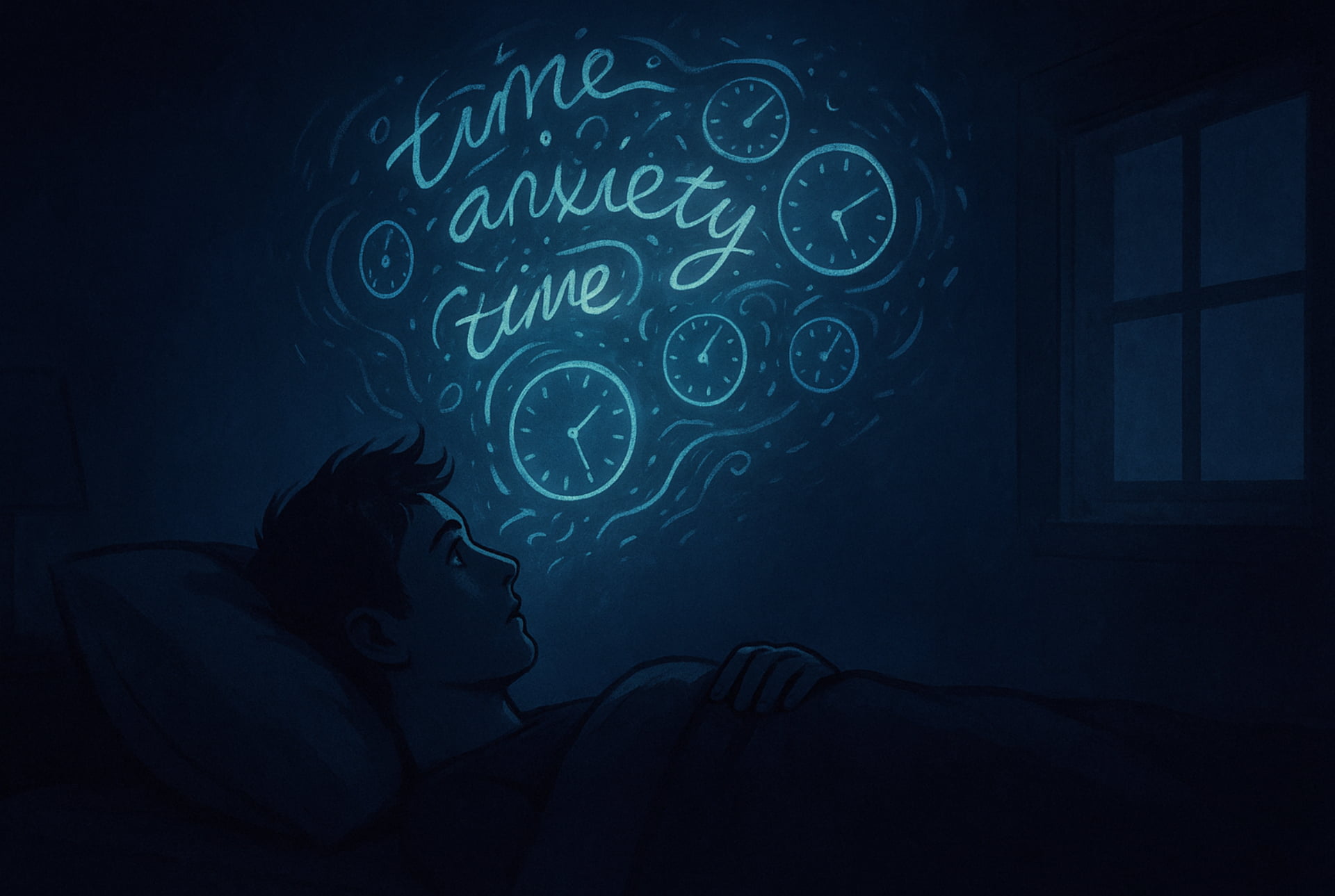
Insomnia is a global crisis, a pervasive thief of rest that leaves millions feeling groggy, anxious, and unproductive. If you regularly struggle to fall asleep or wake up feeling tired, you are not alone. In fact, it is the most common sleep disorder, affecting a significant portion of the adult population globally.
This deep-dive guide is designed to be your comprehensive resource. Specifically, we will move beyond surface-level tips to explore the complex, underlying causes of chronic sleeplessness, understand the different types of insomnia, and outline the most effective, science-backed treatments available today.
Let’s start by answering the most fundamental question that plagues every insomniac: What is the main cause of insomnia?
I. Unraveling the Root: What is the Main Cause of Insomnia?
The short answer is that there is often no single cause. Insomnia is typically multifactorial, meaning it is driven by a combination of biological, psychological, and environmental elements. However, modern sleep science offers an excellent framework for understanding its progression: Spielman’s 3P Model of Insomnia.
A. The Foundation: Spielman’s 3 P’s of Insomnia
The 3P model (Predisposing, Precipitating, and Perpetuating factors) is crucial for both diagnosis and effective treatment. Consequently, understanding which P is active in your life is the first step toward fixing it.
1. Predisposing Factors: The Inborn Risk
These are long-standing vulnerabilities that make a person more likely to develop insomnia when stressed. They are like a pre-set genetic background.
- Genetic or Biological Hyperarousal: Some individuals are simply born with a “wired” nervous system, meaning they have higher levels of cortisol (the stress hormone) at night.
- Personality Traits: Those with a tendency toward worrying, perfectionism, or high anxiety are often predisposed. Therefore, the slightest stress can easily tip them into sleeplessness.
2. Precipitating Factors: The Trigger Event
These are acute stressors that initiate a bout of sleeplessness. They push the predisposed individual over the clinical threshold.
- Major Life Stressors: This can include the death of a loved one, job loss, divorce, or a serious illness.
- Environmental Changes: Jet lag, starting a new shift work schedule, or a noisy new living environment can all serve as triggers. For example, moving house is a common precipitating factor.
3. Perpetuating Factors: The Chronic Cycle (The True Villain)
This is the most critical factor for chronic insomnia. Specifically, these are the behaviors and thoughts that maintain the problem long after the initial stressor is gone.
- The Vicious Cycle: An individual starts worrying about the fact that they are not sleeping. This worry increases their anxiety and physiological arousal, which, ironically, makes sleep impossible.
- Poor Sleep Hygiene: Furthermore, trying to “catch up” on sleep by napping, sleeping in, or going to bed too early confuses the body’s internal clock (circadian rhythm). Thus, the acute problem becomes a chronic disorder.
Key Insight: For most people with chronic insomnia, the Perpetuating Factors (specifically the fear and anxiety surrounding the inability to sleep) become the main cause that keeps the insomnia going.
B. Medical and Lifestyle Causes
While the 3P model explains the mechanism, other underlying issues are also often to blame.
- Medical Conditions: Conditions like chronic pain, Gastroesophageal Reflux Disease (GERD), asthma, arthritis, and Parkinson’s disease can directly cause sleep disturbances.
- Other Sleep Disorders: Crucially, Obstructive Sleep Apnea (OSA) or Restless Legs Syndrome (RLS) can manifest as insomnia, leading to frequent awakenings.
- Substance Use: Caffeine, nicotine, and alcohol (which fragments sleep later in the night) are major culprits.
- Hormonal Imbalances: Changes during menopause (hot flashes, night sweats) or fluctuations in cortisol and melatonin levels can directly lead to insomnia.
II. Recognizing the Problem: What Are Insomnia Symptoms?
If you are wondering, “How do I know I’m an insomniac?”, the definition is simple yet strict. Insomnia is not just a single bad night; it is a persistent pattern.
A. Core Diagnostic Criteria
The following symptoms must occur at least three nights per week for at least three months to be classified as chronic insomnia:
- Difficulty Initiating Sleep (Sleep Onset Insomnia): Trouble falling asleep at the beginning of the night (Red Flag: Taking more than 30 minutes).
- Difficulty Maintaining Sleep (Middle Insomnia): Waking up frequently during the night and having trouble returning to sleep (Red Flag: Staying awake for more than 30 minutes).
- Terminal Insomnia (Early Morning Awakening): Waking up too early and being unable to return to sleep, leading to a significantly reduced total sleep time.
B. Daytime Consequences
Moreover, the lack of sleep must lead to noticeable daytime impairment:
- Fatigue and daytime sleepiness.
- Irritability, anxiety, or symptoms of depression (Note: Is insomnia a symptom of depression? Yes, frequently, and vice versa. It is a bidirectional relationship).
- Difficulty concentrating, memory impairment, and poor performance at work or school.
- Increased errors or accidents.
III. The Cure: How Do You Fix Insomnia?
The good news is that wakefulness is largely treatable. Importantly, the fastest, most effective, and first-line treatment for insomnia does not involve medication; it involves changing behavior and thinking.
A. The Gold Standard: Cognitive Behavioral Therapy for Insomnia (CBT-I)
CBT-I is considered the gold standard because it directly targets the perpetuating factors—the learned behaviors and anxiety that maintain chronic insomnia. Typically, CBT-I is delivered over several sessions by a trained therapist.
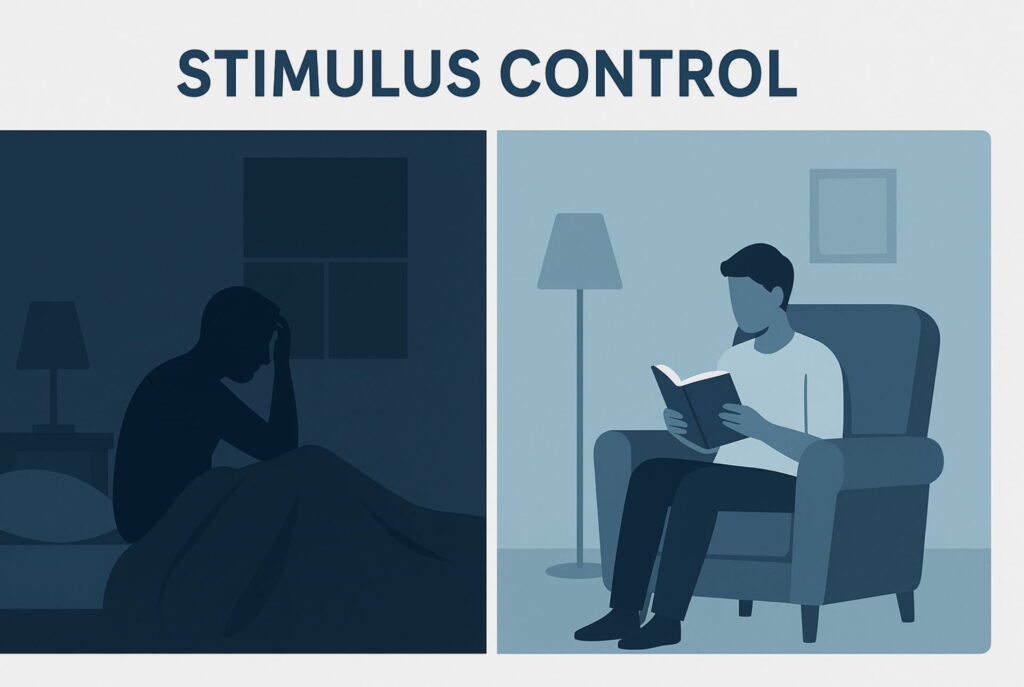
1. Stimulus Control Therapy (SCT)
SCT breaks the mental link between your bed/bedroom and wakefulness/frustration.
- Only go to bed when you are sleepy.
- Use your bed only for sleep and sex.
- If you cannot fall asleep within 20 minutes, get out of bed and go to another room. Engage in a quiet, non-stimulating activity (like reading a physical book under dim light) until you feel sleepy again. Then, return to bed. This is crucial.
2. Sleep Restriction Therapy (SRT)
This counterintuitive method limits the time spent in bed to the actual amount of time you are sleeping, initially creating mild sleep deprivation. Consequently, this increases your body’s “sleep drive” and promotes deeper, more consolidated sleep. As sleep efficiency improves, the time in bed is gradually extended.
3. Paradoxical Intention (Remaining Passively Awake)
This technique involves telling yourself to try to stay awake rather than trying to fall asleep. For many people, the anxiety of trying to sleep is what keeps them awake. By removing the pressure, the fear is reduced, and sleep often comes more easily.
B. Calming the Mind and Body: The 3-3-3 Rule
While primarily an anxiety grounding technique, the 3-3-3 rule can be useful during a middle-of-the-night awakening when the mind races:
- Name 3 things you can see. (e.g., the curtain, the wall, the shadow)
- Name 3 sounds you can hear. (e.g., the fan hum, the distant traffic)
- Move 3 parts of your body. (e.g., wiggle your toes, roll your shoulders, nod your head)
This technique forces your brain to shift from anxious, internal rumination to the present, external environment, helping to calm the nervous system.
IV. The Medical Dimension: When to Seek Help and Treatments
While lifestyle changes are the foundation, medication and specialist intervention are necessary for severe or complex cases.
A. When Should I See a Doctor for Insomnia?
You should consult a healthcare professional:
- If your sleep difficulties persist for three weeks or longer.
- If your insomnia is significantly impairing your daytime function (work, relationships, safety).
- If you experience red flag symptoms like severe snoring, gasping for air (possible Sleep Apnea), or sudden, severe behavioral/mood changes.
- When to go to the ER for insomnia? Seek emergency care if you experience severe side effects from medication (e.g., hallucinations, severe dizziness), or if the lack of sleep is contributing to suicidal ideation or other psychiatric emergencies.
B. Pharmacological Treatments: What Do Doctors Prescribe?
Medication is typically used short-term or alongside CBT-I. Importantly, many common sleeping pills are not the “miracle drug for insomnia” and carry risks of dependency.
| Drug Class | Examples (Generic) | Notes and Mechanism |
| Non-Benzodiazepine Receptor Agonists (Z-Drugs) | Zolpidem (Ambien), Eszopiclone (Lunesta) | Work quickly to aid sleep onset; generally prescribed for short-term use due to dependency risk. |
| Orexin Receptor Antagonists | Daridorexant (Quviviq), Suvorexant (Belsomra) | A newer class that blocks the chemical signals (Orexins) that promote wakefulness. This is often considered a less addictive alternative. |
| Melatonin Agonists | Ramelteon (Rozerem) | Targets the brain’s melatonin receptors, helping to regulate the circadian rhythm without being a controlled substance. |
| Antidepressants (Off-Label) | Trazodone, Doxepin (Silenor) | Often prescribed at low doses for their sedative effects. |
C. Hormones and Deficiencies
- What hormone causes insomnia? High levels of cortisol (the stress hormone) and low levels of melatonin (the sleep hormone) are major culprits.
- What deficiency leads to insomnia? Deficiencies in Vitamin D, Magnesium, and certain B vitamins have been linked to poor sleep quality and insomnia. Therefore, a doctor may order a blood test to check for these deficiencies (though a blood test cannot directly confirm insomnia).
V. Deep Dive: The Different Faces of Insomnia
Insomnia is not a monolithic condition; it presents in many forms. To confirm insomnia, a doctor will rely on a comprehensive sleep diary, clinical interviews, and potentially a polysomnogram (sleep study) to rule out other disorders like Sleep Apnea.
A. Classification by Duration and Cause
- Acute Insomnia: Short-term (days to a few weeks), usually a direct result of stress or environmental change. Does insomnia ever go away? Yes, acute insomnia usually resolves on its own once the stressor is removed.
- Chronic Insomnia: Occurs at least three times a week for three months or longer. This type often requires professional intervention (CBT-I).
- Primary Insomnia: Sleep difficulty is the main problem and is not directly caused by another medical or mental condition (often linked to genetic hyperarousal).
- Secondary (Comorbid) Insomnia: Occurs alongside another medical, psychiatric (e.g., anxiety, depression), or substance-related problem. This is the most common type.
B. Classification by Presentation
- Initial Insomnia: Trouble falling asleep (Sleep Onset).
- Middle Insomnia (Sleep Maintenance): Waking up during the night.
- Terminal Insomnia (Late Insomnia): Waking up too early and being unable to return to sleep.
- Paradoxical Insomnia (Pseudoinsomnia/False Insomnia): The person severely underestimates their total sleep time. They genuinely believe they barely slept, even though objective tests (like a sleep study) show normal or near-normal sleep.
- Idiopathic Insomnia: A rare, lifelong form of chronic insomnia with no known external cause, often starting in childhood. This is sometimes considered the rarest form of insomnia.
- Psychological/Psychophysiological Insomnia: A form where the person becomes so anxious about the possibility of not sleeping that the anxiety itself prevents sleep. This is where the perpetuating factors take hold.
- Behavioral Insomnia of Childhood (BIC): Common in children, often related to a reliance on parents or specific rituals to fall asleep.
A good night’s sleep is fundamentally a holistic function involving brain health, hormones, and behavior.
A. How Does Insomnia Affect the Brain?
Chronic sleep loss impairs cognitive functions. Essentially, the brain cannot properly “clear out the waste” (like beta-amyloid proteins) during deep sleep.
- Memory and Focus: Short-term memory consolidation is hindered.
- Emotional Regulation: The amygdala (the brain’s emotional center) becomes hyperactive, leading to increased irritability and emotional volatility.
- Long-Term Health: Chronic insomnia is linked to an increased risk of neurological disorders and cardiovascular problems.
B. Natural Sleep Aids
Beyond medical treatments, incorporating calming practices and natural aids can significantly help:
- Relaxing Drinks: Warm milk (contains tryptophan), chamomile tea, or passionflower tea can aid relaxation.
- Magnesium Glycinate: A supplement known to help calm the nervous system and promote deep relaxation before bed.
- Mindfulness and Meditation: Practicing relaxation techniques helps to lower the hyperarousal state (the opposite of the Predisposing Factor).
C. The End of Insomnia: How Does Insomnia End?
Insomnia ends when the Perpetuating Factors are successfully broken. By consistently using techniques like Stimulus Control and Sleep Restriction from CBT-I, the brain re-learns that the bed is a place for sleep, the anxiety cycle is broken, and a healthy sleep pattern is restored.

Stay updated with the latest blogs by visiting our website.