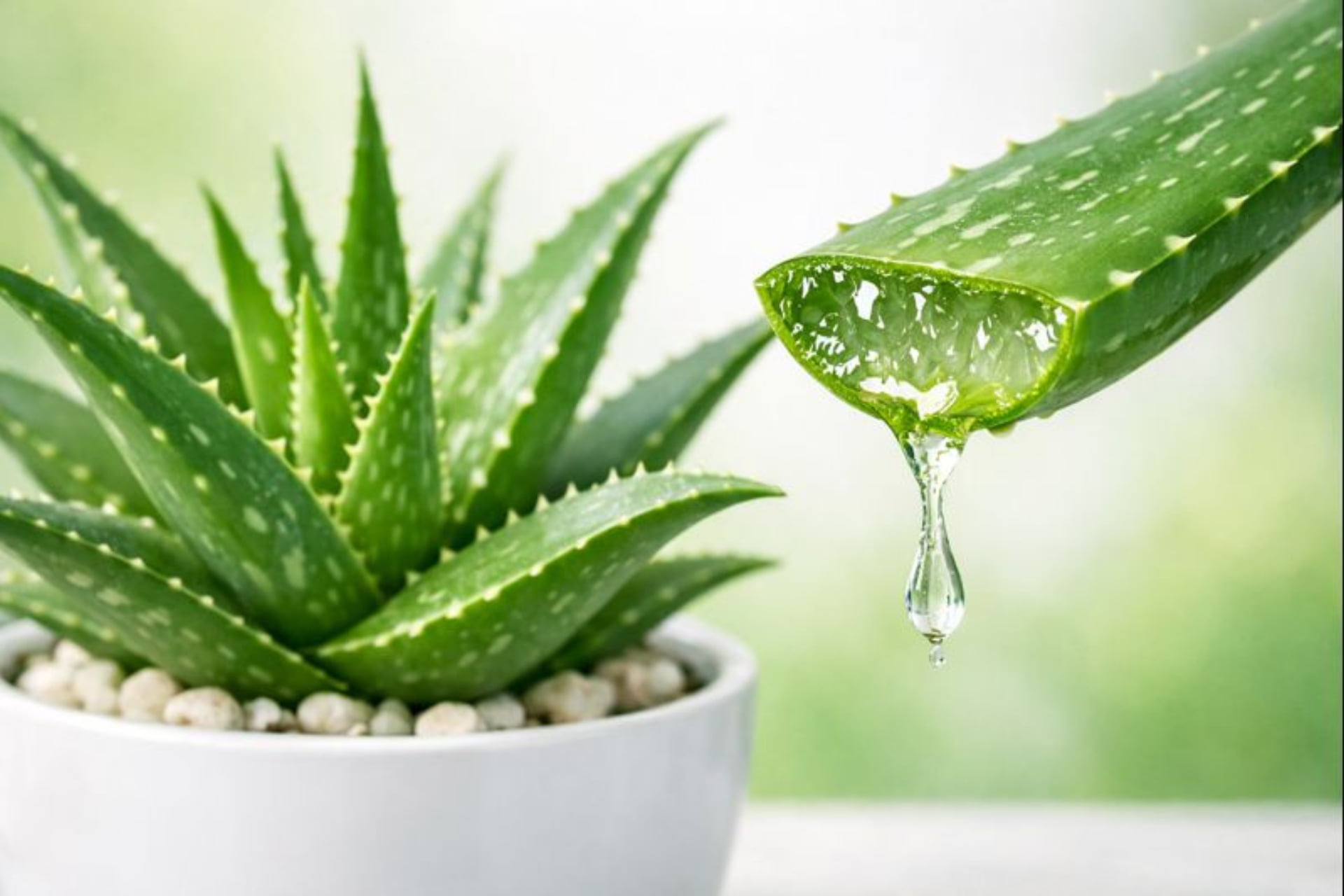
Nature has provided us with many wonders, but few are as versatile as Aloe vera. For centuries, this succulent has been used across different cultures for its healing properties. Whether it is for glowing skin, long hair, or digestive health, aloe vera seems to do it all.
However, with so many uses, people often have questions. Is it safe to eat? Can you use it on your face every day? In this detailed guide, we will explore the 10 uses of aloe vera, its hidden benefits, and the precautions you must take.
10 Fascinating Facts About Aloe Vera
Before we dive into the uses, let’s look at some incredible facts about this plant. These facts help explain why it is so effective for our health.
- Ancient Roots: Aloe vera has been used for over 6,000 years. The ancient Egyptians also referred to it as the “plant of immortality.”
- Species Variety: There are over 400 species of Aloe, but Aloe barbadensis Miller is the most medicinal.
- Water Content: The gel inside the leaves is approximately 99% water.
- Vitamin Powerhouse: It contains vitamins A, C, E, B12, and folic acid.
- Mineral Rich: It provides essential minerals like calcium, magnesium, and zinc.
- Natural Filter: Aloe vera can help purify the air in your home by removing toxins.
- Survivalist: It is a succulent, meaning it can survive in dry climates by storing water in its leaves.
- Enzyme boost: It contains 8 unique enzymes that help reduce inflammation.
- Skin Compatibility: The pH of aloe vera is very close to the pH of human skin.
- Global Use: It is one of the most widely used ingredients in the global cosmetic industry.
What are the 10 primary uses of aloe vera?
Aloe vera is not just a plant; it is a medicine cabinet in a leaf. Here are the ten most common ways people use it today.
1. Soothing Sunburns
This is perhaps the most famous use. Aloe vera has a cooling effect that provides instant relief to sun-damaged skin. It creates a protective layer that locks in moisture.
2. Healing Minor Wounds and Cuts
If you have a small scrape or a paper cut, aloe vera can speed up the healing process. It increases collagen production and fights bacteria.
3. Treating Acne
For those with oily or acne-prone skin, aloe is a blessing. It is light and non-greasy. Its anti-inflammatory properties can help reduce the redness and swelling associated with pimples.
4. Relieving Heartburn
Drinking a small amount of purified aloe vera juice can reduce the symptoms of acid reflux. It soothes the lining of the esophagus.
5. Natural Mouthwash
Studies suggest that aloe vera extract can be as effective as chemical mouthwashes. It reduces plaque and prevents bleeding gums.
6. Relieving Constipation
The “latex” found just under the skin of the leaf acts as a powerful laxative. This should be used with extreme caution.
7. Moisturizing the Skin
Unlike commercial moisturizers, aloe vera does not leave a greasy film. It softens the skin without clogging the pores.
8. Managing Blood Sugar
Some research indicates that aloe vera can improve insulin sensitivity. This makes it a possible support for individuals with type 2 diabetes.
9. Hair and Scalp Care
It treats dandruff and conditions the hair. It leaves your locks feeling soft, shiny, and strong.
10. Soothing Insect Bites
If you have a mosquito bite, a small dab of aloe gel can stop the itching and prevent further irritation.
Is Aloe Vera Good for Your Face?
Many people ask if they can apply aloe vera directly to their faces. The answer is yes, but it must be done correctly.
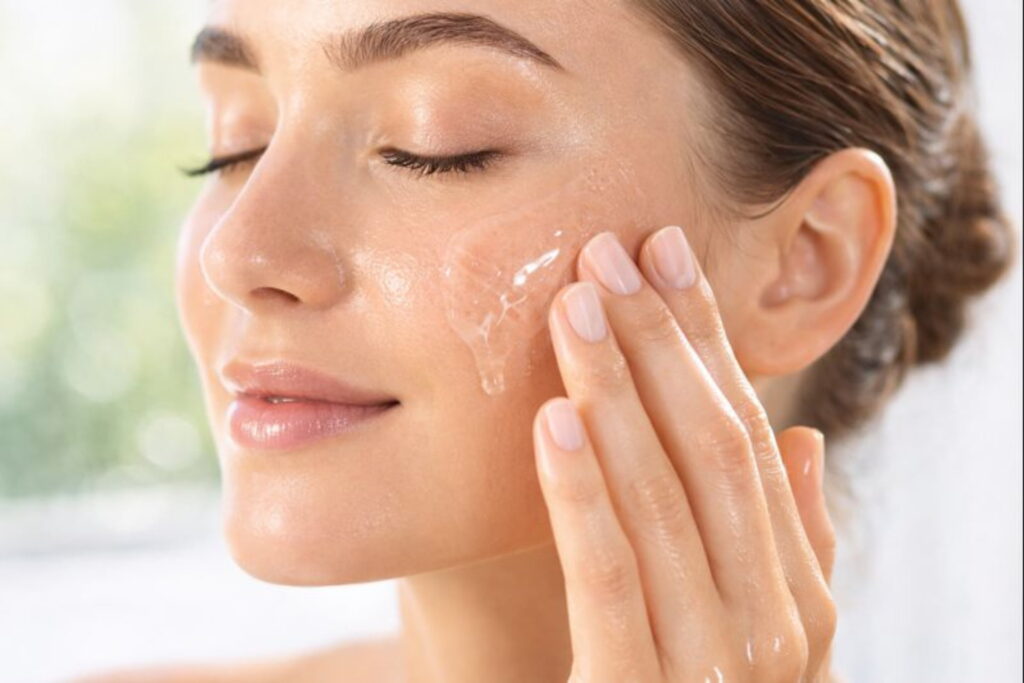
Firstly, aloe vera is an excellent natural moisturizer. It is especially helpful for people with sensitive skin. Secondly, it contains antioxidants that help fight free radicals. This means it can help prevent premature aging and wrinkles.
How to use aloe vera for anti-aging:
- Step 1: Cleanse your face thoroughly with a mild soap.
- Step 2: Apply a thin layer of pure aloe vera gel to your face and neck.
- Step 3: Massage in upward circular motions.
- Step 4: For best results, apply it at night before sleeping.
By doing this regularly, you can improve skin elasticity. Your skin will look firmer and more youthful.
What Happens if We Eat Aloe Vera Daily?
Eating aloe vera has become a popular health trend. You must be very careful about the type and the quantity.
If you consume pure, edible-grade aloe vera gel, it can help with digestion and blood purification. It is believed to help the liver function better. On the other hand, consuming the “yellow latex” (the bitter juice found near the skin) can cause severe stomach cramps and diarrhea.
Benefits of Eating Aloe:
- Blood Purification: It helps the body flush out toxins.
- Improved Digestion: It encourages healthy gut bacteria.
- Blood Pressure: Some studies suggest it can help lower high blood pressure by improving circulation.
Important Note: Daily consumption is not recommended for everyone. It is always best to consult a doctor before adding it to your diet.
The Science: Which Diseases Does Aloe Vera Treat?
While it is not a “cure-all,” aloe vera is used as a complementary treatment for several conditions:
- Psoriasis and Eczema: It reduces the dry, itchy patches associated with these skin diseases.
- Diabetes: It can help regulate glucose levels in the blood.
- Seborrheic Dermatitis: This is a common scalp condition that causes dandruff.
- Ulcerative Colitis: Some use the juice to reduce internal inflammation.
Can Aloe Vera Act as an Antibiotic?
Aloe vera has antimicrobial and antibacterial properties. While it cannot replace modern antibiotics for serious infections, it is excellent for preventing infections in minor wounds.
The Dark Side: Side Effects and Precautions
Every miracle plant has a “dark side” if used incorrectly. You must be aware of the risks.
Who cannot use aloe vera?
- Pregnant Women: It can cause uterine contractions.
- Breastfeeding Mothers: Components of the plant can pass into breast milk.
- Children: It may be too harsh for their internal systems.
- Kidney Patients: Long-term use of the juice has been linked to kidney failure.
Medication Interference
Aloe vera can interfere with certain drugs. For example, if you take diuretics or “water pills,” aloe can lower your potassium levels too much. It can also interfere with blood-thinning medications like warfarin.
Where Should You Not Use Aloe Vera Gel?
Never apply aloe vera to deep surgical wounds or severe burns. In these cases, the gel can actually interfere with the natural healing process and cause irritation.
How to Grow and Use Aloe Vera at Home
The best part about aloe vera is that it is easy to grow indoors. It requires very little water and plenty of sunlight.
How to Extract Gel the Right Way:
- Cut a Thick Leaf: Choose a mature leaf from the bottom of the plant.
- Wash it thoroughly: Clean the dust and dirt off the leaf.
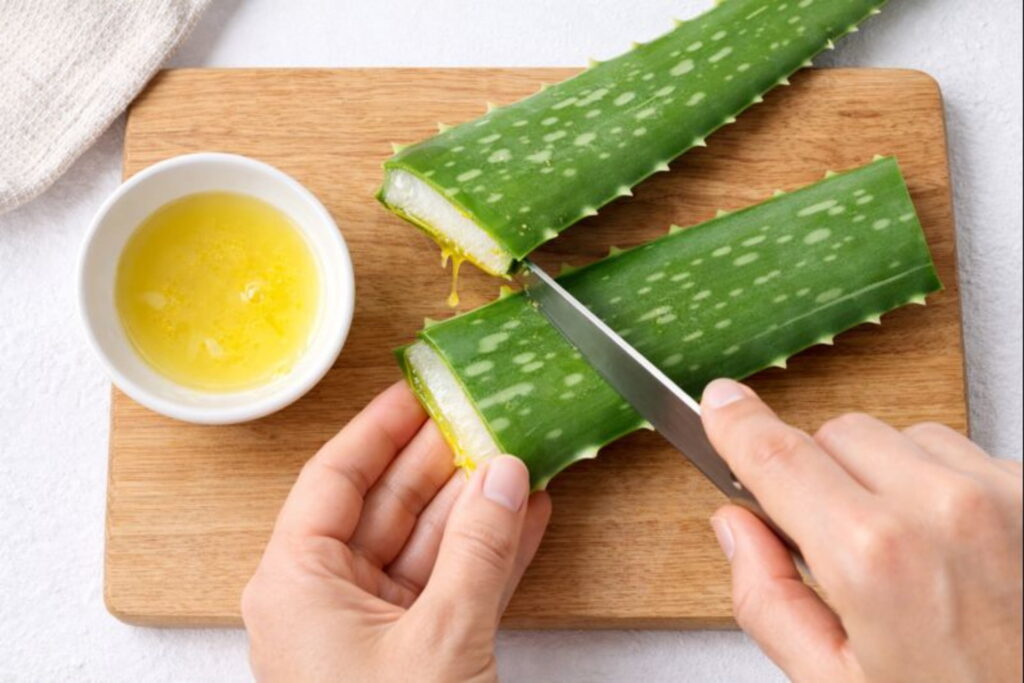
- The Drainage Step: Stand the leaf upright in a cup for 10-15 minutes. A yellow liquid (latex) will drain out. You must discard this liquid, as it can be toxic and irritating.
- Peel the Leaf: Use a sharp knife to remove the green skin.
- Collect the Clear Gel: Scoop out the transparent gel and use it immediately.
Tips for Skin and Hair (Based on Your Data):
- For Hands and Nails: Rub the gel on dry hands to soften the cuticles.
- For Hair: Apply the gel to the scalp for 15-30 minutes before shampooing. Do this once or twice a week for shiny hair.
- Patch Test: Before applying it to your face, test a small amount on your wrist to check for allergies.
FAQ: Is My Aloe Vera Edible?
Many people are confused about which types are poisonous.
- Edible Type: Aloe Barbadensis Miller is the standard medicinal and edible type.
- Non-Edible Types: Some ornamental aloes, like Aloe elgonica, are purely for decoration and can be toxic if eaten.
- How to Tell: Edible aloe usually has thick, wide leaves with white spots when young, and it grows in a circular cluster.
Is Aloe Vera Worth the Hype?
Aloe vera truly deserves its title as a “miracle plant.” It offers incredible benefits for the skin, hair, and internal health. From anti-aging properties to treating minor burns, it is a versatile natural remedy.
Remember that “natural” does not always mean “harmless.” Always remove the yellow latex before use, and avoid eating it if you are pregnant or on specific medications. If you use it wisely, aloe vera can be one of the best additions to your daily wellness routine.
Stay updated with the latest blogs by visiting our website.