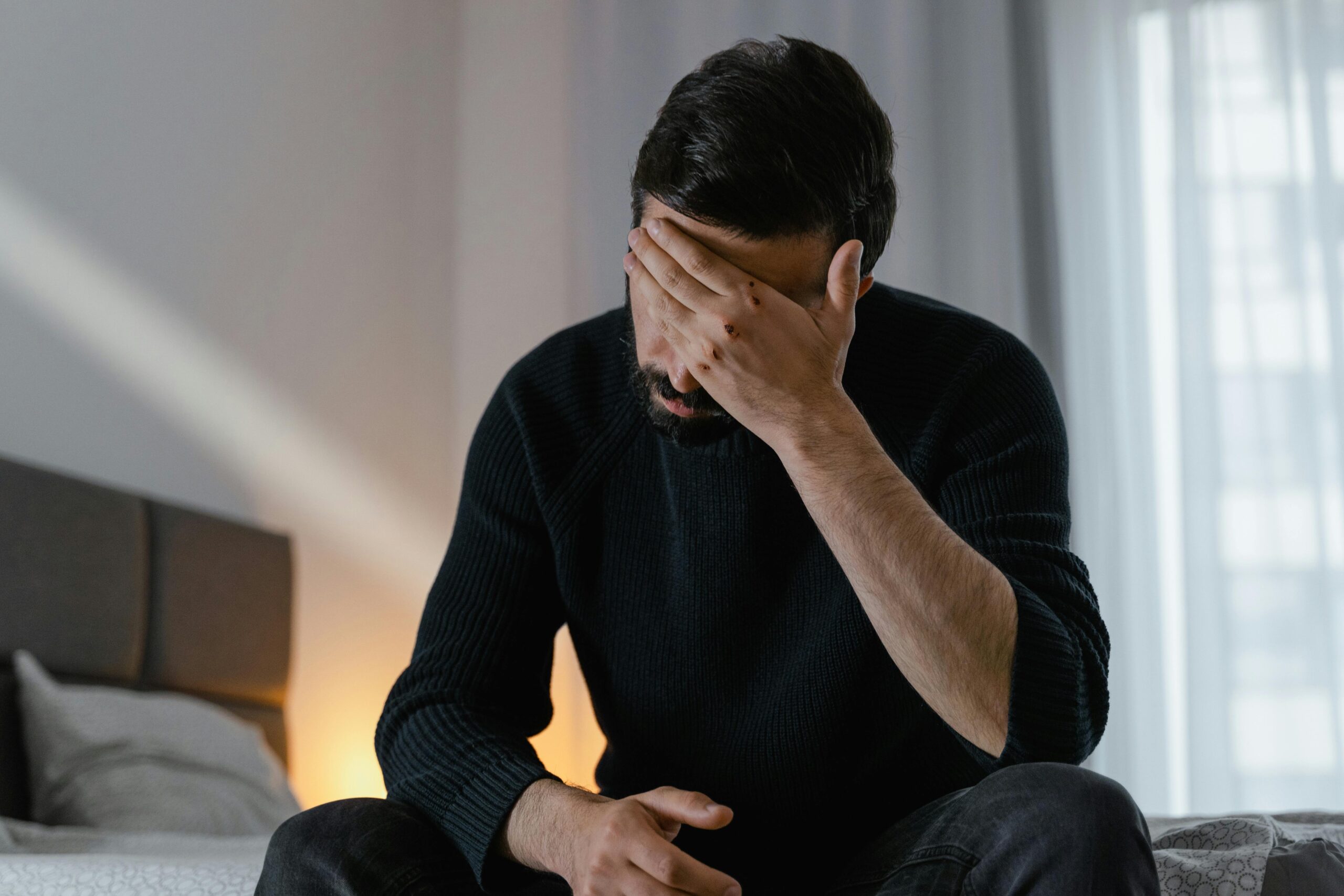
Anxiety disorders touch the lives of adults and teenagers. These disorders include the most common mental health conditions in modern times. It’s normal to feel worried when stressed sometimes. But constant fear and anxiety can seriously affect your daily life.
Many people worry about the symptoms of anxiety attacks. These can include a racing heart, intense fear, and uncontrollable sweating. Research shows that women often experience these disorders more than men. Specific phobias affect about 12% of people. Generalized anxiety disorder affects around 3% of Americans.
The difference between general anxiety and anxiety attacks requires a clear understanding. People should learn to notice the warning signs of anxiety. They should also know when it’s time to seek professional help. This knowledge becomes an important step to better deal with anxiety.
What is an anxiety attack?
People often say, “I feel anxiety,” when they feel stressed, but the term does not exist in clinical settings. Doctors use specific rules to diagnose mental health conditions. “Anxiety attack” is a common term for a sudden, intense episode of fear and anxiety.
Definition of anxiety vs. anxiety attack:
Anxiety can show up in the body in different ways. It may cause stress, constant worrying, and even high blood pressure. Our bodies use this general reaction to warn us about future stress. Real problems begin when there is too much anxiety to handle, and it gets in the way of daily life.
Anxiety attacks occur when these feelings become acute. Doctors don’t officially define anxiety attacks, but mental health experts do. They describe them as episodes where a person feels completely overwhelmed by anxiety, fear, or worry. These episodes can last longer than panic attacks—sometimes for hours or even days.
These episodes usually happen in response to specific stressors, unlike sudden panic attacks. A person may experience strong anxiety, restlessness, and tight muscles. They may also get headaches and feel a worry that builds up gradually, rather than starting all at once.
Is anxiety a feeling or suffering?
Anxiety can be both a feeling and a suffering—it depends on how much it affects your life. Everyone feels worried sometimes—this is just part of being human. Feeling nervous before a big job interview is normal. It’s also normal to worry about upcoming medical test results.
Anxiety becomes a disorder when it happens:
1: Too much for the situation
2: Not appropriate for your age
3: Makes it hard to live your normal life. Anxiety disorders affect about 30% of adults at some point in their lives. This makes them the most common mental health problems in the United States. These conditions include too much fear and behaviors that interfere with daily life.
This difference is important because normal anxiety can often be managed on your own. Anxiety disorders, however, usually need professional treatment.
How do anxiety attacks differ from nervousness attacks?
Most people mix these conditions, but anxiety attacks and panic attacks work differently:
Panic attacks have an official medical definition. To identify a panic attack, you need at least four specific symptoms. These can include a racing heart, sweating, shaking, and feeling like you might die. They come out of nowhere, quickly peak, and usually end within 10–20 minutes.
In contrast, anxiety attacks build slowly because you worry about specific things. They last longer than panic attacks and may feel strong or weak over time.
With anxiety attacks, you will notice more mental symptoms, like fear and worry. Panic attacks, on the other hand, often cause chest pain and trouble breathing.
Another reason they differ is their trigger:
Panic attacks can occur unexpectedly, even while you are sleeping. Anxiety attacks usually appear due to specific things that worry you over time.
Knowing these differences helps you manage your symptoms better. It also helps you decide if you need professional help. Anxiety and panic attacks can both feel overwhelming. But understanding them can help you manage them more effectively.
Common symptoms
Understanding the symptoms of anxiety attacks is important. It’s also important to know how they differ from depression. When anxiety takes over, your body responds both physically and mentally. It prepares for danger, even if there is no real threat.
Physical characteristics: Heartbeat, breathing, dizziness
Anxiety attacks usually begin with changes in the cardiovascular system. Your heart may pound, race, or flutter in your chest. Doctors call this a palpitation. These feelings can be scary because many people think they are having a heart attack.
Heart symptoms usually come with breathing problems. You may start breathing faster, a condition called hyperventilation. You might also have trouble breathing or feel like you are suffocating. This happens when your body tries to prepare more oxygen for a “fight or flight” response.
Dizziness and lightheadedness often appear during anxiety attacks. Many factors cause these feelings:
1: Hyperventilation releases carbon dioxide levels in your blood
2: Stress releases a lot of adrenaline
3: Your body changes blood flow to redirect resources
Anxiety may also trigger other physical responses, such as
1: Sweat, trembling, or shaking
2: Muscle tension and pain
3: Nausea or digestive discomfort
4: Weakness or fatigue
5: Numbness
Emotional and cognitive symptoms
Causes:
Anxiety attacks affect both your body and mind. They can cause strong emotional and mental symptoms as well as physical ones. People often feel intense fear, nervousness, or dread. Many become irritable, restless, or feel on edge.
Your mind may experience:
1: Racing or intrusive thoughts
2: Problems with concentration or focus
3: Worries you can’t control
4: Feeling detached from reality
5: Mental confusion or “brain fog”
People often develop catastrophic thinking, believing something terrible will happen. They may fear losing control, going crazy, or even dying during episodes.
Anxiety attacks rarely lead to real danger, but some symptoms require professional help. Seek help if you notice:
1: Severe anxiety
2: Serious Mental Symptoms
3: Frequent or unexpected panic attacks
These symptoms might signal other medical problems. Seek help quickly if chest pain spreads to your arm or jaw.
What Causes Anxiety Attacks?
Anxiety attacks happen because of how the brain, body, and environment interact. Understanding this helps explain why these episodes feel so intense. It also shows how we can cope with them more effectively.
What Causes Anxiety in the Brain?
Special structures in our brain manage fear and emotional reactions. The amygdala—the brain’s “fear center”—plays an important role in anxiety. Research shows that people with anxiety disorders often have high amygdala activity. This happens when they face stress or perceive danger. Several neurotransmitters (chemical messengers) regulate our anxiety reactions:
1: Gamma-aminobutyric acid (GABA) acts as a natural calming agent in the brain.
2: Serotonin helps manage mood and reduce anxiety.
3: Norepinephrine controls stress reactions and alertness.
4: Dopamine influences emotional regulation and reward processing.
An imbalance in these brain chemicals can contribute to anxiety disorders. Higher levels of stimulating chemicals, like glutamate, can make anxiety worse. Low levels of calming chemicals, such as GABA, can also increase anxiety responses.
Environment and Lifestyle Triggers:
External factors often trigger anxiety attacks. Stressful life events that commonly precede them include:
1: Financial difficulties or job uncertainty
2: Relationship struggles
3: Major life changes such as moving or career shifts
4: Health diagnoses or chronic illness concerns
5: Past trauma
How to respond during anxiety attacks:
Anxiety attacks can feel overwhelming. But practical strategies can help you regain control quickly. Although anxiety attacks feel overwhelming, they are usually not dangerous.
Grounding Techniques to Stay Calm:
Grounding helps you take your mind off the crisis inside. It brings your attention back to the world around you.
The 5-4-3-2-1 technique is an effective method for calming a busy mind:
Identify five things you can see. Four things you can touch. Three sounds you can hear. Two smells you can recognize. One thing you can taste.
This simple process connects you to your surroundings and interrupts the anxiety cycle.
Breathing Exercises That Help:
Deep breathing helps fight the shallow breathing that happens during anxiety attacks. It can help you feel calmer and more in control. It can calm your body and mind. While breathing, ensure your belly (not your chest) expands with each breath. You can check this by placing one hand on your belly and one on your chest.
Box breathing: Inhale for 4 seconds, hold, and exhale for 4 seconds.
4-7-8 technique: Inhale for 4 seconds, hold your breath for 7 seconds, and exhale slowly over 8 seconds.
Call for Help:
Most anxiety attacks last 5–30 minutes and do not cause medical emergencies. However, you should seek professional help if:
1: Anxiety interrupts your daily life or relationships
2: Panic attacks happen often and unexpectedly.
3: Symptoms don’t improve or worsen despite self-help techniques.
4: Physical symptoms point to other health problems
It’s important to understand how normal anxiety differs from an anxiety disorder. Using grounding techniques and deep breathing exercises can help. Most anxiety attacks pass within minutes or a few hours when these methods are used. Always listen to your body and seek help if needed.

Stay updated with the latest blogs by visiting our website.