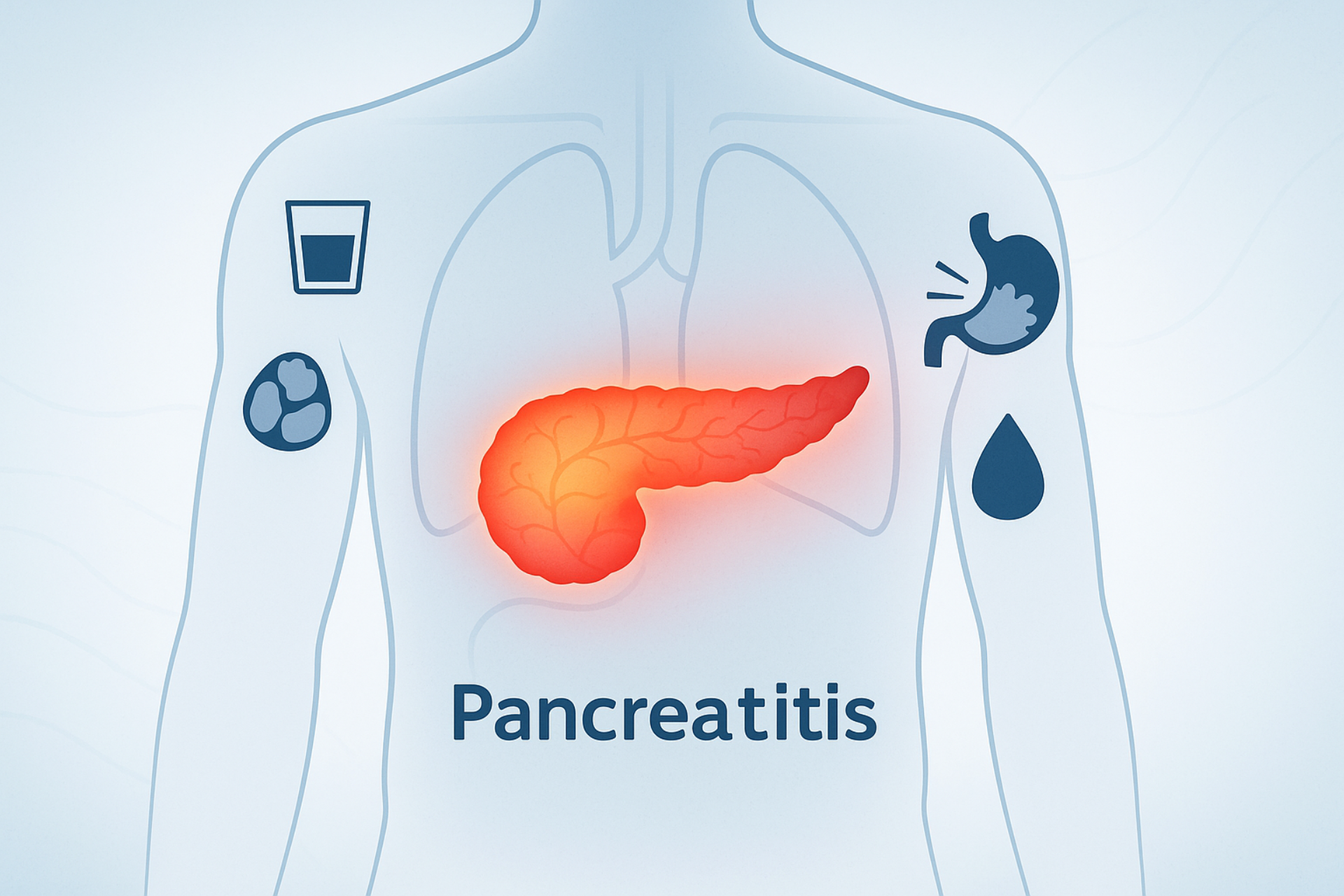
Pancreatitis is an inflammation of the pancreas. It can be a mild, temporary problem or a severe, life-threatening emergency. It is important to understand your pancreas and its inflammation. This will help you recognize symptoms and get timely treatment. This guide will teach beginners everything they need to know about pancreatitis.
The Pancreas: What It Is and What Pancreatitis Does
To understand pancreatitis, we first need to know about the pancreas itself. The pancreas is a gland. It is located behind your stomach, nestled between your stomach and spine. It has two crucial primary roles:
- It produces enzymes essential for digesting food (especially fats and proteins).
- It produces hormones (like insulin and glucagon) that regulate blood sugar levels.
When someone develops pancreatitis, the powerful digestive enzymes activate too early. The enzymes start attacking the pancreas instead of moving to the small intestine. They should help digest food, but instead, they harm the pancreas. This leads to inflammation, swelling, and potential damage to the organ.
Unpacking the Symptoms: What Pancreatitis Feels Like
One of the most notable characteristics of pancreatitis is the pain it causes. What pancreatitis feels like can vary, but it’s typically described as abdominal pain. Pancreatitis pain is often a severe, sudden upper abdominal pain that may spread to your back. It can be sharp, dull, or burning. This pain often gets worse after eating. This happens because food triggers the pancreas to produce more enzymes. The pain is typically felt in the upper abdomen, right below the ribs.
In addition to pain, pancreatitis symptoms include:
- Nausea and vomiting
- Fever
- A rapid pulse
Some people have pancreatitis without stomach pain or even without any pain at all. This happens especially with chronic pancreatitis. when other health issues mask the signs. Similarly, pancreatitis without fever is possible.
A common query is, can pancreatitis pain come and go? Yes, especially with chronic pancreatitis, the pain might be intermittent. It often recurs in “flares” or attacks.
Causes and Occurrence: Why Pancreatitis Happens
Many factors can trigger this inflammation. Pancreatitis is most commonly related to gallstones or excessive alcohol consumption. Gallstones can block the bile duct, which connects to the pancreas. This blockage causes digestive fluids to back up. This, in turn, activates the enzymes inside the pancreas. Alcohol is known to harm the pancreas and trigger inflammation.
So, why does pancreatitis happen? This blockage causes digestive fluids to back up. This, in turn, activates the enzymes inside the pancreas. Sometimes, no clear cause is found, which is termed idiopathic pancreatitis. Pancreatitis happens when these triggers cause the pancreatic enzymes to activate too early.
Diagnosis: How Doctors Confirm Pancreatitis
If pancreatitis is suspected, a medical professional will conduct various tests. How pancreatitis is diagnosed typically involves:
- Physical Exam and Symptom Review: Assessing your pain and other symptoms.
- Blood Tests: Will pancreatitis show in a blood test? Yes, elevated levels of pancreatic enzymes like amylase and lipase are key indicators. Other blood tests may check for inflammation and organ function.
- Imaging Tests: Will pancreatitis show on a CT scan? A CT scan is often used and can show inflammation, fluid collections, or damage to the pancreas. Other imaging methods, like MRI or ultrasound, may also be used. Their purpose is to look for gallstones or other abnormalities.
Complications and Associated Conditions
Pancreatitis can lead to various complications, some severe:
- Digestive Issues: Can pancreatitis cause constipation? Yes, especially if pain medication is used or due to changes in diet and gut function. Conversely, can pancreatitis cause diarrhea? Chronic pancreatitis can damage the cells that produce enzymes. This leads to malabsorption (poor nutrient absorption) and causes fatty, foul-smelling diarrhea.
- Diabetes: Can pancreatitis cause diabetes? Absolutely. Chronic pancreatitis can damage the cells that produce enzymes. This leads to malabsorption (poor nutrient absorption) and causes fatty, foul-smelling diarrhea.
- Hypocalcemia: How pancreatitis causes hypocalcemia is due to a process called fat saponification. When pancreatic enzymes break down fats, calcium can bind to the released fatty acids. This effectively removes calcium from the bloodstream, leading to dangerously low calcium levels.
- Respiratory Problems: Pancreatitis causes ARDS (Acute Respiratory Distress Syndrome). Because the severe inflammation triggers a body-wide inflammatory response. This causes fluid leakage into the lungs. This makes oxygen exchange difficult and results in this life-threatening lung condition.
- Other Complications: Other problems that can occur include
- Fluid collections (pseudocysts)
- Infections
- Kidney failure
- Internal bleeding
Severity and Prognosis: Will Pancreatitis Go Away?
The outlook for pancreatitis varies widely. Will pancreatitis go away? Mild acute pancreatitis often resolves within a few days with supportive care. However, severe cases can be prolonged and life-threatening. The most dangerous form is usually necrotizing pancreatitis. This is where parts of the pancreas die.
When pancreatitis is fatal, it is typically in severe cases. This involves widespread inflammation, organ failure (like ARDS), or infected necrosis (dead tissue). This underscores why pancreatitis causes ARDS as a critical life-threatening complication.
Who Is Affected, and Who Manages It?
Who does pancreatitis affect? Pancreatitis can affect anyone. It is most common in adults with gallstones or who drink heavily. Sometimes, even without gallstones (or a gallbladder), pancreatitis can develop from other causes.
Who manages pancreatitis? A team of healthcare professionals. Gastroenterologists (digestive disease specialists) are key members of the team. For severe cases, they often work with intensivists, surgeons, dietitians, and pain specialists.
When to Seek Medical Attention
Knowing when to go to the hospital is crucial. Get immediate medical help if you have a severe, lasting stomachache. That goes to your back, plus nausea, vomiting, or fever. This is even more urgent if it is followed by nausea, vomiting, or fever. These symptoms could indicate an intense, acute attack. Many also wonder, how do I know if my pain is from my pancreas? Pancreatic pain is usually central upper belly pain that spreads to the back. It is often worsened by eating or flatulence. It’s distinct from general stomach pain.
Pancreatitis: Who is at risk? Risk factors include a history of gallstones, heavy alcohol use, or high triglycerides. People who’ve had abdominal surgery or take certain medications are also at risk. The risk is also higher for those with a family history of pancreatitis.
Pancreatitis and Pancreatic Cancer
A not-unusual and important situation is that pancreatitis and pancreatic cancers are related. Acute pancreatitis is generally not a direct cause of cancer. However, chronic pancreatitis is a different story. If it runs in the family or lasts for many years, it can be dangerous. It also increases the risk of developing pancreatic cancer. It’s a complex relationship that requires ongoing monitoring.
Pancreatitis in Pets: Dogs and Cats
Pancreatitis isn’t just a human ailment; it affects our beloved pets, too!
- Pancreatitis for dogs: This is a common and serious condition in canines. Common signs of pancreatitis in dogs are vomiting, diarrhea, and fever. You may also see lethargy (tiredness) and loss of appetite. Abdominal pain is common, sometimes shown by the dog taking a “praying position.”
- Pancreatitis for cats: Feline pancreatitis can be more subtle. For cats, pancreatitis symptoms are often vague. They include lethargy (tiredness), decreased appetite, vomiting, and weight loss. Abdominal pain might not be as apparent as in dogs.
- Treating a dog’s pancreatitis usually involves aggressive fluid therapy and managing their pain. They will also get anti-nausea medication and follow a special diet (often low-fat food). Treatment for cats is similar, focusing on supportive care.
Ongoing management is vital for chronic pancreatitis, even if you have no pain or fever. Lifestyle changes are necessary. This includes eating a low-fat diet, avoiding alcohol, and treating the underlying causes.
Stay updated with the latest blogs by visiting our website.