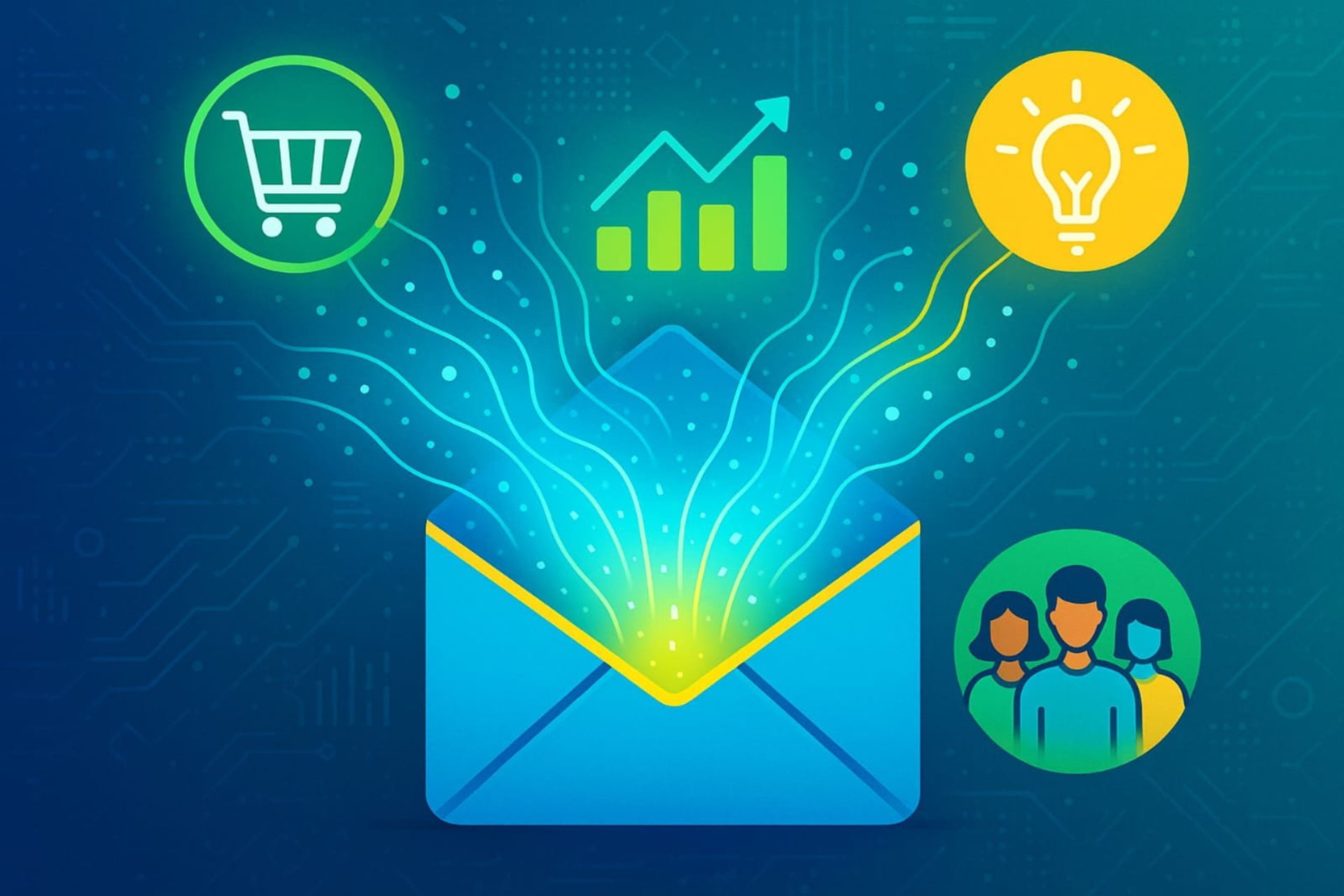
Today’s digital world moves fast. Businesses want simple ways to reach people directly. They need quick, clear, and personal connections with their audience. Among all digital methods, email marketing stands out. It’s powerful, personal, and one of the most effective ways to connect with your audience. But what exactly is it, and why does it remain so crucial? If you’ve ever wondered, “What is email marketing? OR “Is e-post marketing important for business? You’ve come to the right place.
I’m here to make email marketing easy to understand. You’ll see how it works and why it’s still very powerful. I’ll show you how to use it to reach your business goals.
1. What is email marketing? The Core Concept
Let’s start with the basics. Email marketing is a type of direct marketing. It uses emails to promote a business’s products or services. It helps you reach customers right in their inbox. It’s about having a relationship with potential customers and customers over time. Sometimes email marketing is called “e-marketing” or “permission marketing.” These names highlight one key idea — getting consent before sending emails. People must agree to receive your messages.
What Does Email Marketing Do?
At its heart, email marketing helps you:
- Discuss directly: This allows one-on-one communication with the audience.
- Create relationships: By providing valuable material, you promote trust and loyalty.
- Drive Sales: It’s highly effective for promoting products, services, and special offers.
- Increase Engagement: You can share news, updates, and invite participation.
- Collecting feedback: Email can help you understand your audience better. You can track what they like, what they click, and how they respond. This helps you send more useful and personalized messages.
What is email marketing with an example?
Imagine you subscribe to a clothing brand’s newsletter. An email marketing example might be
- I received a welcome email with a discount code after signing up.
- Getting an email about a new collection launch.
- Receiving a personalized email on your birthday with a special offer.
- An abandoned wagon reminds you of shopping.
Each of these is a careful e-mail marketing message designed to achieve a specific goal.
2. How email marketing works: a step-by-step approach
Understanding the process helps in effective execution. How email marketing works can be broken down into a few key steps.
How Email Marketing Is Done: Step by Step
- Build Your List: You start by collecting email addresses from interested individuals (with their explicit consent!). This can be through website sign-up forms, pop-ups, or during a purchase.
- Choose an Email Marketing Service (EMS): You need a platform to handle your email marketing. It helps you manage subscribers, design emails, and send campaigns easily. This makes your work faster and more organized.
- Create Compelling Content: Create emails that look nice and are easy to read. Add content that is useful and keeps readers interested. Good design and valuable info make people want to open your emails.
- Segment Your Audience: Split your subscribers into small groups. Group them by interests, age, or behavior. This helps you send more targeted and personal emails.
- Send Your Campaigns: Send out your emails, either manually or as part of an automated series.
- Analyze and Optimize: Watch numbers like open rate, click rate, and conversions. These show how your emails are doing. Use this data to make your next campaign better.

Can I Do Email Marketing Myself?
Absolutely! For individuals and small businesses, you can do email marketing yourself. There are many user-friendly tools designed specifically for this purpose. Hiring a specialist can help if your business is big. But if you’re just starting, you can do it alone. It’s simple and possible to manage by yourself at first.
Email Marketing Without a Website?
It’s challenging but not impossible. Your website is a main place for sign-ups and content. But you can also collect emails in other ways. Use social media links, lead magnet pages, or even in-person events. However, a website generally makes the process smoother and more professional.
Email Marketing Without a Domain?
You usually need a domain to send professional emails, like yourname@yourbusiness.com. It helps build trust and keeps your emails out of spam. Free email services can work for very small lists, but they aren’t good for serious marketing.
Email Marketing Without Consent?
This is a huge no-go! Sending marketing emails without consent is illegal in many places. Laws like GDPR in Europe and CAN-SPAM in the US protect users. If you break these rules, your emails can go to spam, or your account may get banned. Always get clear permission from subscribers. Remember, the golden rule of email is permission. Always respect your subscribers’ inboxes.
Can Email Marketing Be Spam?
Yes, if done incorrectly, email marketing can be spam. This can happen if you send unwanted emails, send too often, or use false subject lines. To avoid this, always get permission first. Share useful content so people see value in your emails. These steps help keep your messages out of spam.
3. Power and importance of e-post marketing
Despite the emergence of social media, e-post marketing remains a powerful center.
Why Is Email Marketing Important for Business?
- High ROI: Email marketing gives one of the best returns on investment. It works better than many other digital marketing methods. You spend less but reach people directly and effectively.
- Direct Communication: You fully own your email list. It’s not affected by social media algorithm changes. You can always reach your audience directly, anytime you want.
- Personalization: Emails can be highly personalized, leading to better engagement.
- Sales Driver: It’s incredibly effective for driving purchases and repeat business.
Why Is Email Marketing Effective?
It’s effective because it’s:
- Permission-Based: People want to hear from you.
- Measurable: You can track anything that opens your e-post and clicks on the link.
- Cost-Effective: Often cheaper than traditional advertising.
- Versatile: Can be used for sales, nurturing, announcements, and more.
Why Is Email Marketing the Best?
The word “best” can mean different things. But many people see email marketing as the most important. It’s direct, low-cost, and gives great results. It also helps you build long-lasting relationships with your audience.
Will Email Marketing Die? Will Email Marketing Be Replaced by AI?
No, email marketing will not die. AI will change how email marketing is done. It will help write emails, group audiences, and improve results. But it won’t replace email itself. Email will always stay a direct way to talk to your audience. AI will make email marketing more powerful and personalized, not obsolete.
4. When to Use Email Marketing & When to Send
Timing and strategy are key for impactful campaigns.
When to Use Email Marketing?
You should use email marketing for various purposes:
- Welcome New Subscribers: Immediately after sign-up.
- Promote New Products/Services: Announce launches and offers.
- Send Newsletters: Share valuable content, updates, and blog posts.
- Run Sales & Promotions: Drive conversions with special deals.
- Recover Abandoned Carts: Remind customers about uncompleted purchases.
- Re-engage Inactive Subscribers: Try to bring back dormant users.
- Collect Feedback: Send surveys or review requests.
When to Send Email Marketing?
There’s no single “best” time, as it depends on your audience and industry. However, general best practices suggest:
- Mid-week (Tuesday-Thursday): Often have higher open rates.
- Mid-morning to Early Afternoon: People are usually at work and checking emails.
- Test, Test, Test: The most important rule is to test. Try sending emails on different days and times. See when your audience opens and responds the most. Use that data to plan your future emails.
5. Starting Your Journey: Email Marketing for Beginners
If you only sink your toes, you can start sending e-mail marketing here.
Email Marketing for Beginners
- Define Your Goal: What do you want to achieve (e.g., generate leads, increase sales, build community)?
- Choose an EMS: Start with a beginner-friendly platform.
- Create a Sign-Up Form: Add it to your website, social media, or other touchpoints.
- Plan Your First Email: Often a welcome email or a simple newsletter.
- Send and Learn: Don’t aim for perfection initially. Send, analyze, and improve.
Can I Do Email Marketing with Gmail / Outlook / Square / Canva / Shopify?
- Email marketing with Gmail/Outlook: You can send single emails if you want. But they aren’t made for bulk marketing. They don’t offer tools for managing lists, automating messages, or tracking results. Use a dedicated EMS.
- Email marketing with Square: Square provides simple email marketing tools. They work with their POS system to help you reach customers. It’s mainly used for building customer relationships and keeping them engaged.
- Email marketing with Canva: Canva is a design tool. While you can design beautiful email graphics in Canva, you’ll need an EMS to actually send the emails to your list.
- Email marketing with Shopify: Shopify offers its own email marketing tool, Shopify Email. It’s great for online stores. You can use customer data to send targeted and smart campaigns. It helps you reach the right people with the right message.
6. Specialized Email Marketing: Reaching Specific Audiences
Email marketing isn’t just for big corporations; it’s adaptable for various needs.
- Email Marketing for Small Businesses: It’s very affordable and easy to use. Small businesses can use it to connect directly with local customers. It helps build trust and strong relationships over time.
- Email Marketing for Nonprofits: It’s key for raising funds and finding volunteers. You can also use it to share news and updates about your mission. It helps keep your supporters informed and engaged.
- Email Marketing for Realtors: It’s important for building relationships with potential clients. Use it to share new listings and market updates. It helps you stay remembered and trusted by your audience.
- Email Marketing for New Customers: Welcome emails are very important. They help new subscribers get started and know what to expect. They can also guide customers toward making their first purchase.
7. Email Marketing Professionals: Who Does This?
Behind successful campaigns are often dedicated individuals and teams.
- What is an Email Marketing Job? An email marketing job involves planning, executing, and optimizing email campaigns. This includes writing email content and designing templates. You’ll also need to group your lists, study the results, and connect emails with other marketing tools. All these steps help make your campaigns more effective.
- Who Is an Email Marketing Specialist? This is a professional dedicated to managing email campaigns. They know how to divide audiences into groups and make sure emails reach inboxes. They’re skilled in writing good copy, setting up automation, and studying data. All this helps them achieve clear marketing goals.
- Are Email Marketing Jobs Legit? Absolutely! Email marketing is an important part of nearly every business’s online plan. That’s why email marketing jobs are real, valuable, and in high demand.
- Can Email Marketing Make You Rich? Email marketing is great for making money. But it’s just a tool — not a quick way to get rich. Success takes time, effort, and a smart plan. It requires consistent effort, strategy, and valuable offerings. It can greatly boost a business’s profits. When the business grows, the owner also becomes more successful. Email marketing helps turn effort into real results.
8. Email Marketing Automation: The Smart Way to Scale
This is where email marketing gets really powerful and efficient. What is email marketing automation? It means sending emails automatically at the right time. These emails go to certain people based on their actions or interests. You can also schedule them ahead using a set plan.

Examples include:
- Welcome sequences for new subscribers.
- Abandoned cart reminders.
- Birthday emails with special offers.
- Post-purchase follow-ups.
- Re-engagement campaigns for inactive users.
Automation helps you send personal messages at the perfect time. You don’t have to do it by hand. It saves time and makes your emails work better.
9. Email Marketing Service: Which One Is Best?
Choosing the right platform is critical. The best email marketing service depends on what you need and how much you can spend. Different tools work better for different goals. Choose one that fits your budget and is easy for you to use. Some popular options include:
- Mailchimp: Popular for beginners and small businesses, often with a free tier.
- Constant Contact: User-friendly, good for small businesses.
- ConvertKit: Ideal for creators, bloggers, and solo preneurs focusing on automation and division.
- ActiveCampaign: Powerful automation and CRM features, great for growing businesses.
- Klaviyo: Specifically designed for e-commerce, offering deep integrations with platforms like Shopify.
Try a few email marketing tools with free trials. See which one feels easy to use and fits your goals. Pick the one with features that help you the most.
10. Email Marketing in the Wider Digital Landscape: Comparisons
It’s useful to see how email stacks up against other digital marketing channels.
- Email Marketing vs. WhatsApp Marketing: WhatsApp gives quick and direct communication. It’s great for customer service and instant updates. But it’s less formal and organized than email. Email excels in long-form content, complex campaigns, and broader reach.
- Email Marketing vs. SMS Marketing: SMS is good for short and fast messages. Use it when something is urgent, like a reminder or a quick sale. Email is better for long and detailed messages. It lets you share more info and connect better with readers. Use it when the message is not urgent but needs more detail.
- Email Marketing vs. Direct Mail: Direct mail means sending real letters or cards. It feels more personal and special. But it costs more money, takes more time, and is hard to track. Email is fast, cheap, measurable, and highly scalable.
- Email Marketing vs. Social Media Statistics: Social media helps you reach many people fast. You can talk and reply right away. But platforms can change their rules anytime. Also, you don’t fully own your followers. Email is different. It goes straight to people who want to hear from you. It often brings better results and more sales.
- Email Marketing vs. Newspaper: A newspaper is a type of e-post marketing. It’s an email campaign that shares updates, helpful content, and news. It goes to people who have signed up to get your emails. Not all e-mail marketing is a newspaper, but all newspapers are e-post marketing.
Can e-mail marketing be part of buying media?
Yes, indirectly. Email marketing is not the same as buying ads. Media buying means paying for ad space. But email can still be part of that plan. For example, you can run paid ads that send people to a sign-up page. There, they join your email list. That list becomes very useful for building trust and making sales. It also supports your media buying strategy.
My Take on Email Marketing’s Enduring Power
After learning about all these things, one thing is clear. Email marketing is still very important. It is not old or useless. It helps build strong, personal connections with your audience. It’s one of the main parts of digital communication today.
From simple email marketing to advanced automation, it works for everyone. It’s flexible and powerful. It helps you connect with your customers in a more personal way. That’s why it’s a must-have for any business. So, if you haven’t started building your email list, now is definitely the time. The audience is waiting to hear from you!
Stay updated with the latest blogs by visiting our website.