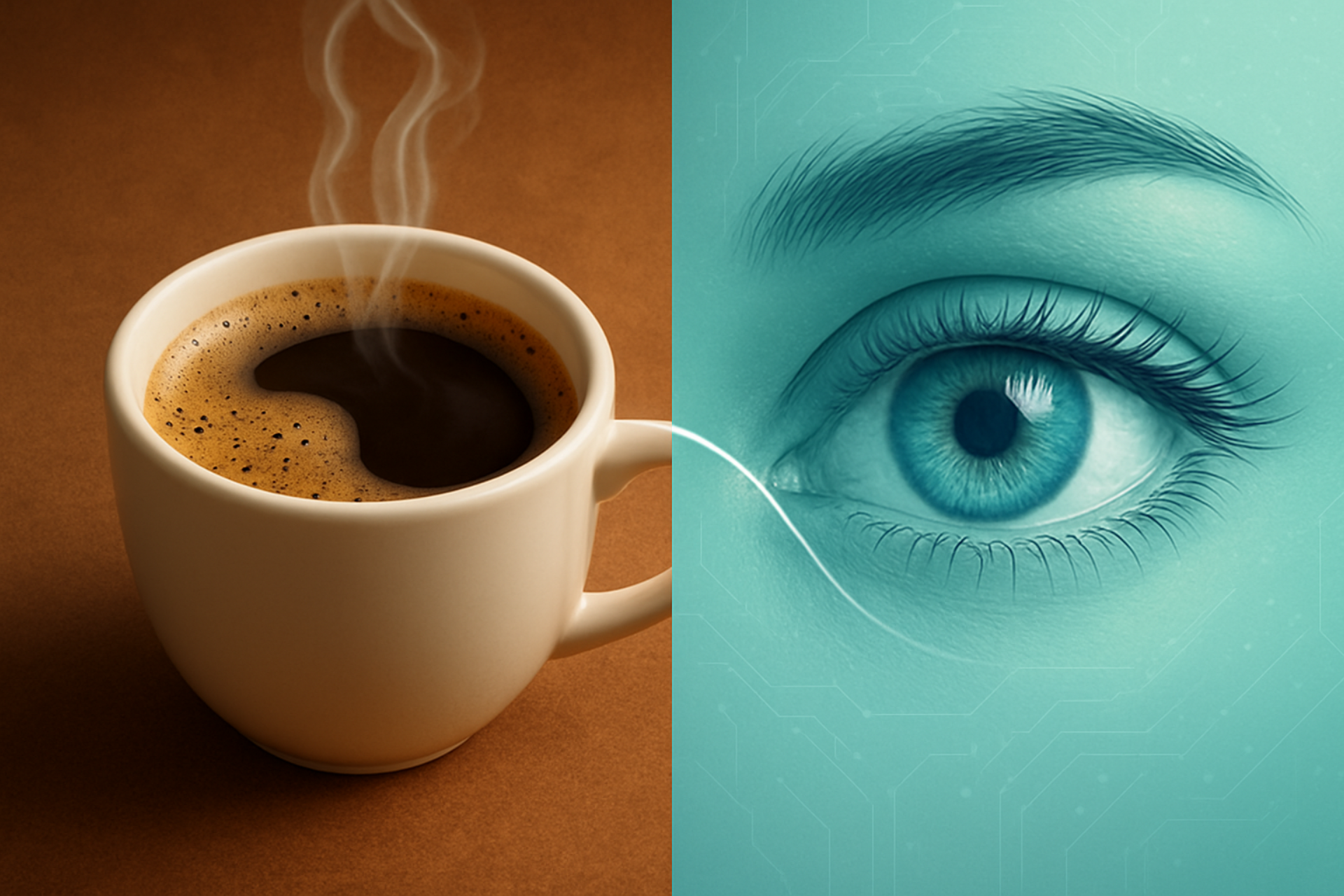
For many, the day simply doesn’t begin without the rich aroma and invigorating kick of coffee. It is a favorite ritual, a social lubricant, and a powerful stimulant. We regularly consume coffee, leading to questions about its impact on health. This includes its effect on vision. Can coffee affect your eyesight? Emerging research shows the answer is more nuanced than a simple yes or no.
Let’s delve into the latest findings. We can understand how your daily cup of coffee truly interacts with your eyes.
The Big Question: Can Coffee Affect Your Eyesight?
Current scientific consensus says yes, coffee can affect your eyesight. But if consumed in moderation, the effects are generally minimal or temporary. For most people, the effects may even be beneficial. However, for certain individuals or in specific contexts, its impact requires closer attention. New research continually refines this understanding, moving beyond old myths to provide evidence-based insights.
To truly grasp the coffee’s effects on the eye, we need to examine the mechanisms at play.
How Coffee Interacts with Your Eyes: The Mechanisms
The primary active compound in coffee is, of course, caffeine. This stimulant rapidly enters your bloodstream after you consume it. It has wide-ranging effects on your body, including your cardiovascular and nervous systems. This can, in turn, influence your eyes.
- Caffeine as a Stimulant: Caffeine increases alertness and can lead to a temporary rise in heart rate and blood pressure. These systemic changes can have secondary effects on ocular blood flow and intraocular pressure (IOP).
- Vasoconstriction (Blood Vessel Narrowing): Caffeine often causes blood vessels to constrict. While this might reduce blood flow to certain areas, the effect is complex. It varies when it comes to the intricate blood vessels of the eye.
- Diuretic Effect: Coffee has a mild diuretic effect (it increases urine production). If not balanced with adequate fluid intake, this can potentially cause slight dehydration. Dehydration can certainly impact eye comfort.
- Antioxidant Power: Beyond caffeine, coffee contains many antioxidants, such as chlorogenic acids. These compounds fight oxidative stress. Oxidative stress is a factor in eye diseases. Such as age-related macular degeneration and cataracts. This is a crucial aspect when considering the overall caffeine-eye health impact.
Coffee and Eye Conditions: What the Research Says
The interplay between caffeine and vision has been the subject of numerous studies. These studies are now providing clarity on its links to various eye conditions.

a) Glaucoma and Intraocular Pressure (IOP)
This is perhaps the most discussed area when it comes to coffee and glaucoma. Glaucoma is an optic nerve disease often associated with high intraocular pressure.
- The Nuance: Caffeine consistently causes a temporary, short-term increase in intraocular pressure (IOP). This happens shortly after consumption. This boom usually lasts for a few hours.
- Long-Term Risk for Most: It appears the general population does not have a significantly increased risk. Long-term risk of primary open-angle glaucoma from this temporary IOP spike. This is supported by a large 2012 study. Which found no strong link between regular coffee consumption and increased glaucoma risk.
- Specific Genetic Risk (Pseudoexfoliation Glaucoma): New research shows a different view for people with certain genes. This includes those with pseudoexfoliation glaucoma (PXG) or pseudoexfoliation syndrome. A 2021 study in the British Journal of Ophthalmology found an important link. People who often drink large amounts of coffee may have a higher risk of glaucoma. If they are genetically prone to high eye pressure (IOP). If glaucoma runs in your family, or you have ocular hypertension or PXG. Talk to your eye doctor about your coffee habits. This helps clarify whether coffee is bad for your eyes.
b) Dry Eye Syndrome
Coffee and dry eyes are another common concern. Given caffeine’s mild diuretic effect, there is a theoretical link to dehydration. This could potentially worsen dry eye symptoms.
- Research Findings: Some people notice more dry eye symptoms after drinking a lot of coffee. Large studies show no strong link between drinking moderate amounts of coffee and long-term dry eye problems. In simple words, moderate coffee drinking does not seem to cause dry eyes over time. Very high caffeine intake may cause a short-term increase in tear production. Drinking enough water when you have coffee can help reduce this effect.
c) Age-Related Macular Degeneration (AMD) & Cataracts
- AMD: This condition affects central vision. Some studies suggest a potential protective effect from coffee. This is due to its rich antioxidant content. The protection is against certain forms of AMD (age-related macular degeneration). However, definitive conclusions require more robust clinical trials. Most studies show no significant harmful link.
- Cataracts: Coffee consumption is rarely linked to the development or progression of cataracts.
d) Temporary Vision Changes
Sometimes, individuals might report blurry eyesight or temporary visual disturbances after consuming caffeine. This could be due to:
- Temporary blood pressure rift: A quick change in blood pressure can cause short-term vision problems. These vision changes usually do not last long.
- Stimulant effects: Caffeine can make your body feel more active. It may sometimes cause small shakes or make you more sensitive. These may be seen as visual disturbances, but they are generally not harmful.
The Balance: Benefits vs. Risks for Eye Health
When you compare the benefits and risks of coffee for your eyes, a balanced view is clear.
- Potential Benefits: The powerful antioxidants in coffee can contribute to overall eye health. They do this by fighting free radicals and reducing oxidative stress. This is linked to various degenerative eye conditions.
- Potential Risks/Considerations: These risks mainly affect people who drink too much coffee. They also impact those with pre-existing conditions. This especially includes certain types of glaucoma (like pseudoexfoliation glaucoma). For the vast majority, moderate intake poses minimal, if any, direct risk to ocular health.
Moderation is Key: Expert Recommendations
For most healthy individuals, moderate coffee consumption appears generally safe for eye health. This is typically defined as 1-3 cups per day (up to 400 mg of caffeine).
- Listen to Your Body: Pay attention to how coffee affects you personally. If coffee gives you blurry eyes or eye pain that lasts, drink less or see a doctor.
- Stay Hydrated: Always balance your coffee intake with plenty of water. This helps counteract any diuretic effects and supports overall eye and body hydration.
- When to Consult an Ophthalmologist: If you have:
- A family history of glaucoma.
- Been diagnosed with glaucoma or ocular hypertension.
- Experiencing new or worsening vision changes.
- If caffeine intraocular pressure spikes are a concern for your doctor.
For personalized advice, see an ophthalmologist. They can assess your individual risks and advise you on your coffee consumption and your eyes.
Beyond Coffee: Comprehensive Eye Health Tips
Understanding coffee’s effects on the eye is important. However, remember that eye health is multifaceted (it has many parts). To truly protect your vision:
- Balanced Diet: Consume a diet rich in leafy greens, colorful fruits, and omega-3 fatty acids.
- Screen Time Management: Take regular breaks (20-20-20 rule) to reduce digital eye strain.
- Protective Eyewear: Wear sunglasses that block 100% of UV rays when outdoors.
- Regular Eye Exams: Schedule comprehensive eye exams with your ophthalmologist. Do this even if you do not notice any vision problems. Many eye diseases display no early signs and symptoms.
Stay updated with the latest blogs by visiting our website