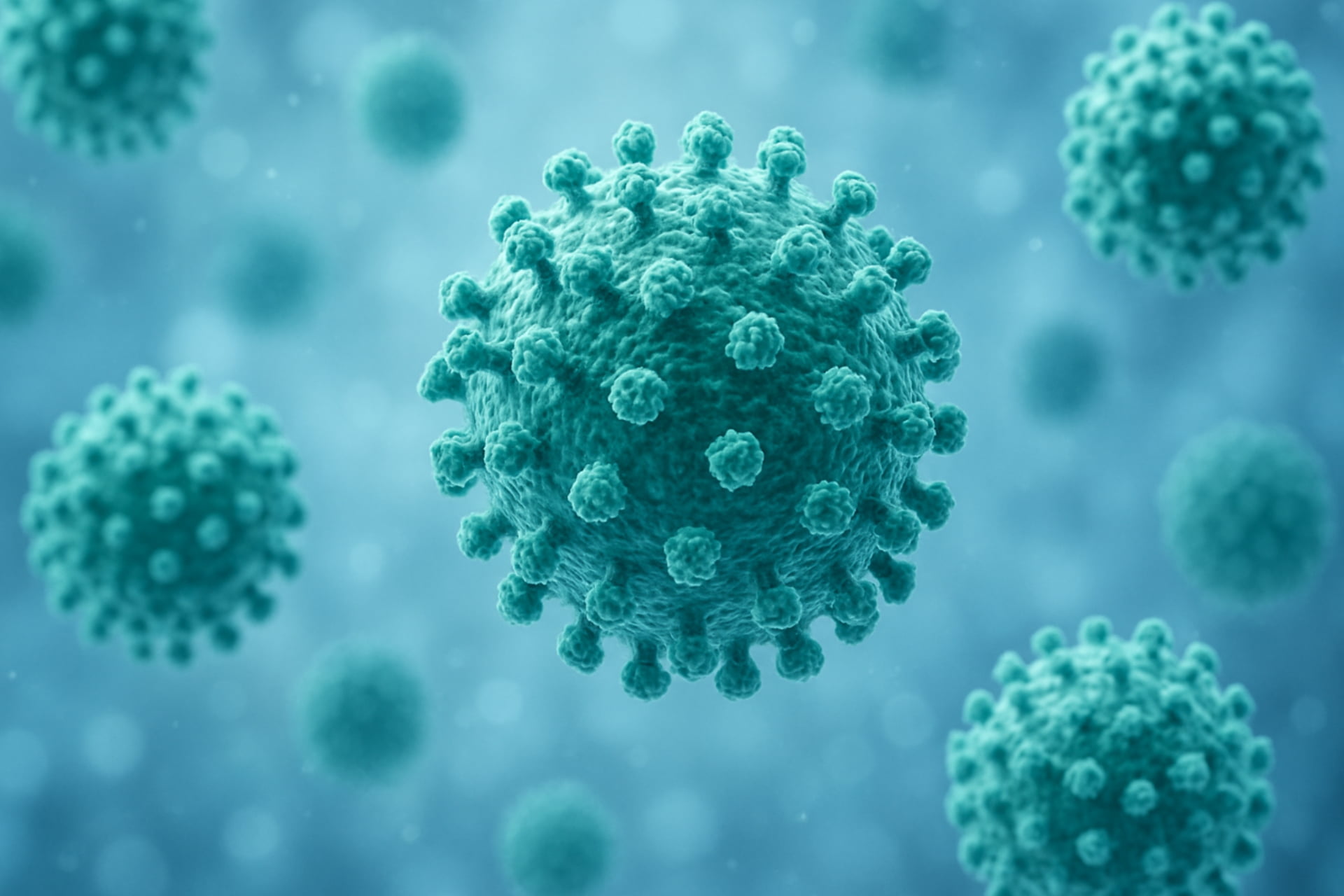
The onset of cold weather often brings with it the unwelcome guest known as the Norovirus. Frequently called the “winter vomiting disease,” Norovirus is a highly contagious illness that causes inflammation of the stomach and intestines (acute gastroenteritis). Understanding its basics is the first step toward prevention and recovery.
What Causes Vomiting in Winter?
What causes vomiting in winter? The primary culprit behind this widespread illness is the Norovirus.
- This virus spreads more easily during colder months (typically November to April) because people spend more time indoors, in close proximity, and often in poorly ventilated areas.
- Furthermore, Norovirus can survive longer on surfaces in cold temperatures, which contributes significantly to its seasonal spread.
What Virus Can Lead to Winter Vomiting Disease?
The specific virus that can lead to winter vomiting disease is the Norovirus.
- The Norovirus is actually a group of related viruses. It is known for causing large outbreaks in semi-closed environments, such as cruise ships, hospitals, schools, and nursing homes.
- Interestingly, it is incredibly contagious; only a few viral particles are needed to make a person sick.
How Serious is Norovirus?
How serious is Norovirus? While the symptoms are intense and highly unpleasant, for most healthy individuals, Norovirus is not considered serious.
- The illness is generally self-limiting, meaning it runs its course without specific medical treatment.
- However, for vulnerable populations, such as young children, the elderly, and those with weakened immune systems, the severity increases. In these groups, the primary serious complication is dehydration.
Recognizing Symptoms and Contagion
Norovirus strikes quickly and aggressively. Knowing the initial signs and understanding the contagion window is crucial for self-isolation and protecting others.
What Are the First Signs of Norovirus?
The incubation period (time from infection to symptoms) is short, usually 12 to 48 hours.
What are the first signs of Norovirus? The onset of symptoms is typically sudden and dramatic.
- Sudden Nausea and Vomiting: This is often the first and most noticeable symptom. How long will I vomit with Norovirus? The severe vomiting usually lasts for 24 to 48 hours.
- Watery Diarrhea: This frequently accompanies or follows the vomiting.
- Stomach Cramps: Sharp, uncomfortable abdominal pain is often reported.
- Other Symptoms: Muscle aches, low-grade fever, and general malaise (feeling unwell) can also be present.
How Long Are You Contagious with the Norovirus?
Understanding the contagious period is the key to preventing spread. How long are you contagious with the Norovirus?
- You are most contagious when symptoms begin and for the first three days after recovery.
- Crucially, Norovirus particles can still be shed in your stool for two weeks or even longer after symptoms have disappeared. Therefore, strict hygiene must be maintained even after you feel completely better.
Can You Be Around People with Norovirus and Not Get It?
Can you be around people with Norovirus and not get it? While it is possible to avoid infection, it is highly difficult because of the virus’s resilience and low infectious dose.
- If proper hygiene is strictly maintained, the risk is lowered. For instance, frequent and thorough handwashing with soap and water is necessary.
- However, the virus is easily spread through aerosolized droplets from vomiting, which makes avoidance challenging even in shared spaces.
Treatment and Recovery Strategies
Since Norovirus is a virus, antibiotics are ineffective. Therefore, the treatment focuses entirely on supportive care and symptom management.
Is There a Cure for Norovirus?
Is there a cure for Norovirus? Simply put, no, there is no specific cure or antiviral medication that targets Norovirus.
- The body’s immune system must fight off the virus naturally.
- Thus, the goal of home care is to keep the patient comfortable and, most importantly, well-hydrated.
How to Stop Vomiting with Norovirus
While you cannot stop the virus itself, you can manage the intense vomiting. How to stop vomiting with Norovirus?
- Rest the Stomach: Do not try to eat or drink anything for the first few hours after vomiting. This allows your stomach muscles to calm down.
- Sip Fluids: Once the vomiting has subsided slightly, start with very small, frequent sips of fluid—not large gulps. Start with a teaspoon every few minutes.
- Medication: Over-the-counter anti-nausea medications are generally not recommended without speaking to a doctor. However, sometimes prescription antiemetics can be given to control severe vomiting.
Dehydration: The Primary Risk
Dehydration is the biggest threat posed by the illness. What happens if Norovirus is left untreated?
- If the severe fluid loss from vomiting and diarrhea is not quickly replaced, it can lead to severe dehydration.
- Symptoms of severe dehydration include extreme thirst, dizziness, little to no urination, and listlessness, which may require hospitalization for intravenous (IV) fluids.
What is the Best Drink for Norovirus?
Hydration is your weapon. What is the best drink for Norovirus?
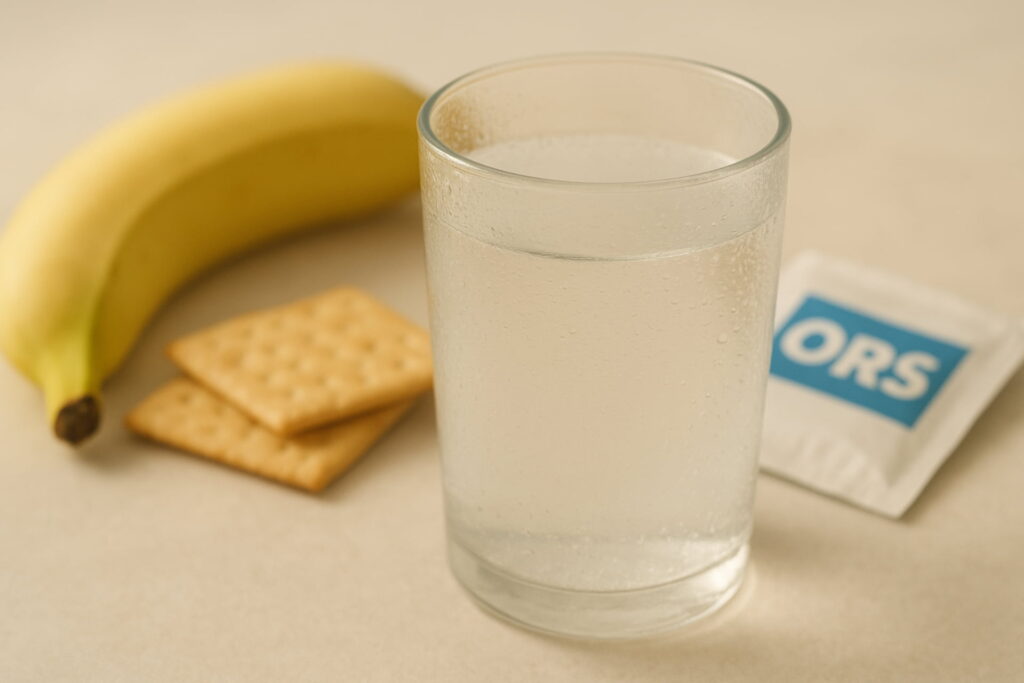
- Oral Rehydration Solutions (ORS): This is the best choice. These solutions contain the perfect balance of water, sugars, and salts needed for optimal absorption.
- Avoid: High-sugar drinks like concentrated fruit juices or sodas, as they can sometimes worsen diarrhea. Broths (low-sodium) and electrolyte-enhanced water are also good options.
Eating and Gut Reset
Once the vomiting subsides, slowly reintroducing food is vital. The goal is to nourish the body without upsetting the sensitive, recovering gut.
What Should You Eat When You Have Norovirus?
For the first day or two after vomiting stops, your diet must be extremely bland. What should you eat when you have Norovirus? Follow the BRAT diet principles:
| Food Group | Examples | Why It Helps |
| Bananas | Ripe bananas | High in potassium (lost during vomiting) and easy to digest. |
| Rice | Plain, white rice (cooked simply) | Provides simple carbohydrates for energy without fiber load. |
| Applesauce | Unsweetened applesauce | A gentle source of fiber that is easy on the stomach. |
| Toast | Plain, white toast or crackers | Non-fatty, simple starches. |
Avoid dairy, fatty, spicy, or highly seasoned foods for several days.
How Do You Reset Your Gut After Norovirus?
Recovery is not just about feeling better; it is about restoring the gut environment. How do you reset your gut after Norovirus?
- Probiotics: Introduce probiotic-rich foods (like yogurt or kefir, if tolerated) or high-quality probiotic supplements once you can handle dairy/solids. Probiotics help restore the beneficial bacteria wiped out by the infection.
- Light Fiber: Slowly reintroduce soft, low-fiber vegetables and lean proteins over the following week. This gradual process allows your gut to adapt smoothly.
Can You Flush Norovirus Out of Your System?
Can you flush Norovirus out of your system? This idea is a common myth.
- While drinking plenty of fluids is necessary to prevent dehydration, the fluid intake itself does not physically “flush” the virus out of your system any faster than your immune system handles it.
- The primary benefit of hydration is maintaining the balance of salts and sugars your body needs to function while the virus runs its course.
Prevention and Environmental Clean-Up
Norovirus is infamous for its resilience. Proper cleaning and hygiene are the only defenses against this formidable foe.
What Kills Norovirus Quickly?
Regular hand sanitizers are generally ineffective against Norovirus. What kills Norovirus quickly?
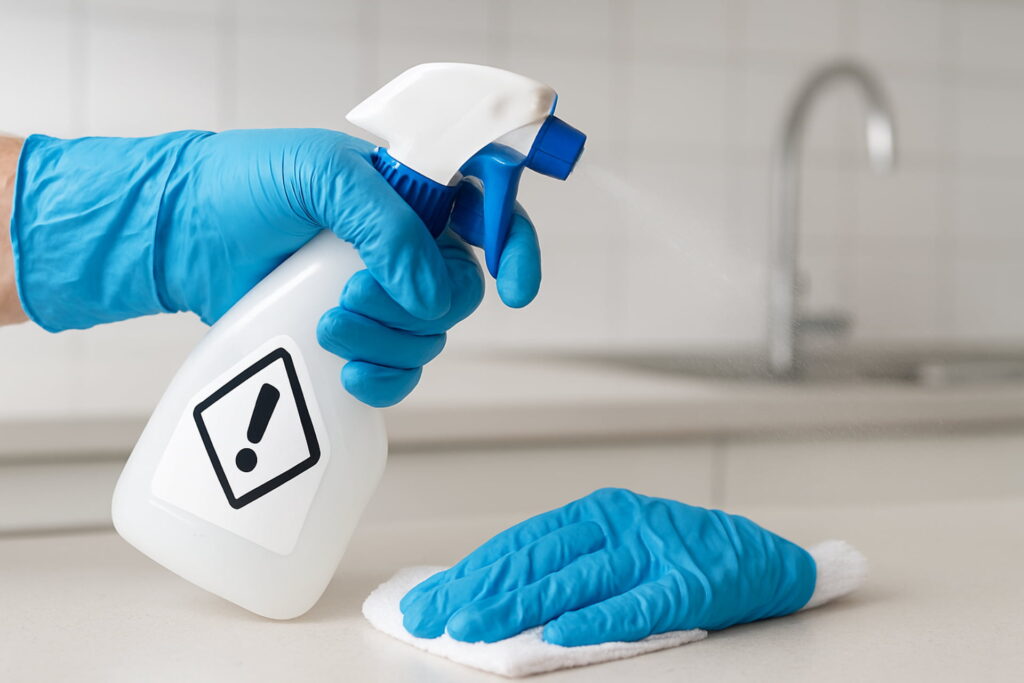
- Bleach Solution: The Norovirus structure is resistant to alcohol-based sanitizers. The most effective disinfectant is a solution of chlorine bleach and water.
- Use a concentration of 5 to 25 tablespoons of household bleach (5.25%-8.25%) per gallon of water to disinfect surfaces that have been contaminated by vomit or feces.
How Long Will Norovirus Live in My House?
Norovirus is extremely hardy. How long will Norovirus live in my house?
- The virus can remain infectious on hard surfaces (such as counters, doorknobs, and handles) for weeks or even months if the surface is not properly disinfected with a bleach solution.
- This persistence is a key reason why outbreaks are so easily spread in households.
Essential Prevention Measures
- Handwashing is Key: Always wash hands thoroughly with soap and running water for at least 20 seconds, especially after using the restroom or changing diapers, and before eating or preparing food. Hand sanitizer can be used, but not as a replacement for soap and water.
- Disinfect Surfaces: Immediately clean and disinfect contaminated areas with the bleach solution mentioned above.
- Does Wearing a Mask Help Prevent Norovirus? While Norovirus is primarily spread through the mouth/fecal route, droplets from vomiting can become airborne. Therefore, wearing a mask can potentially help reduce the risk of airborne transmission if you are caring for someone who is actively vomiting, but proper hand hygiene remains the most critical preventative step.
Distinguishing Norovirus from Other Illnesses
The symptoms of Norovirus can easily be confused with other gastrointestinal illnesses.
What Can Be Mistaken for Norovirus?
What can be mistaken for Norovirus? Several illnesses share similar symptoms:
- Food Poisoning: This is caused by bacteria (like Salmonella) or toxins. The symptoms are similar but typically resolve faster than Norovirus and are confined to those who ate the contaminated food.
- Other Viruses: Rotavirus (especially in children) or some strains of Adenovirus can also cause gastroenteritis, but they tend to be less aggressive or have different seasonal peaks.
How Do You Confirm Norovirus?
How do you confirm Norovirus? Diagnosis is usually made based on symptoms. However, confirmation requires laboratory testing:
- A stool sample is collected and tested for the presence of the Norovirus genetic material using a specialized PCR (Polymerase Chain Reaction) test. This is typically done only during outbreak investigations, not for routine individual cases.
Final Thoughts on Recovery
How long does winter vomiting disease last? For most, the most severe symptoms pass within 24 to 48 hours. Full recovery, where energy returns and the gut feels settled, usually takes around three days. Listen to your body, prioritize hydration, and remember that professional care should be sought if you cannot keep fluids down for more than 24 hours.
Stay updated with the latest blogs by visiting our website.