Blood pressure is an important sign of how healthy your heart is. However, many people don’t fully understand it. This simple guide will help you learn what blood pressure really means. It will also explain its effects on your health, common symptoms, and how to manage it.
What Exactly Is Blood Pressure?
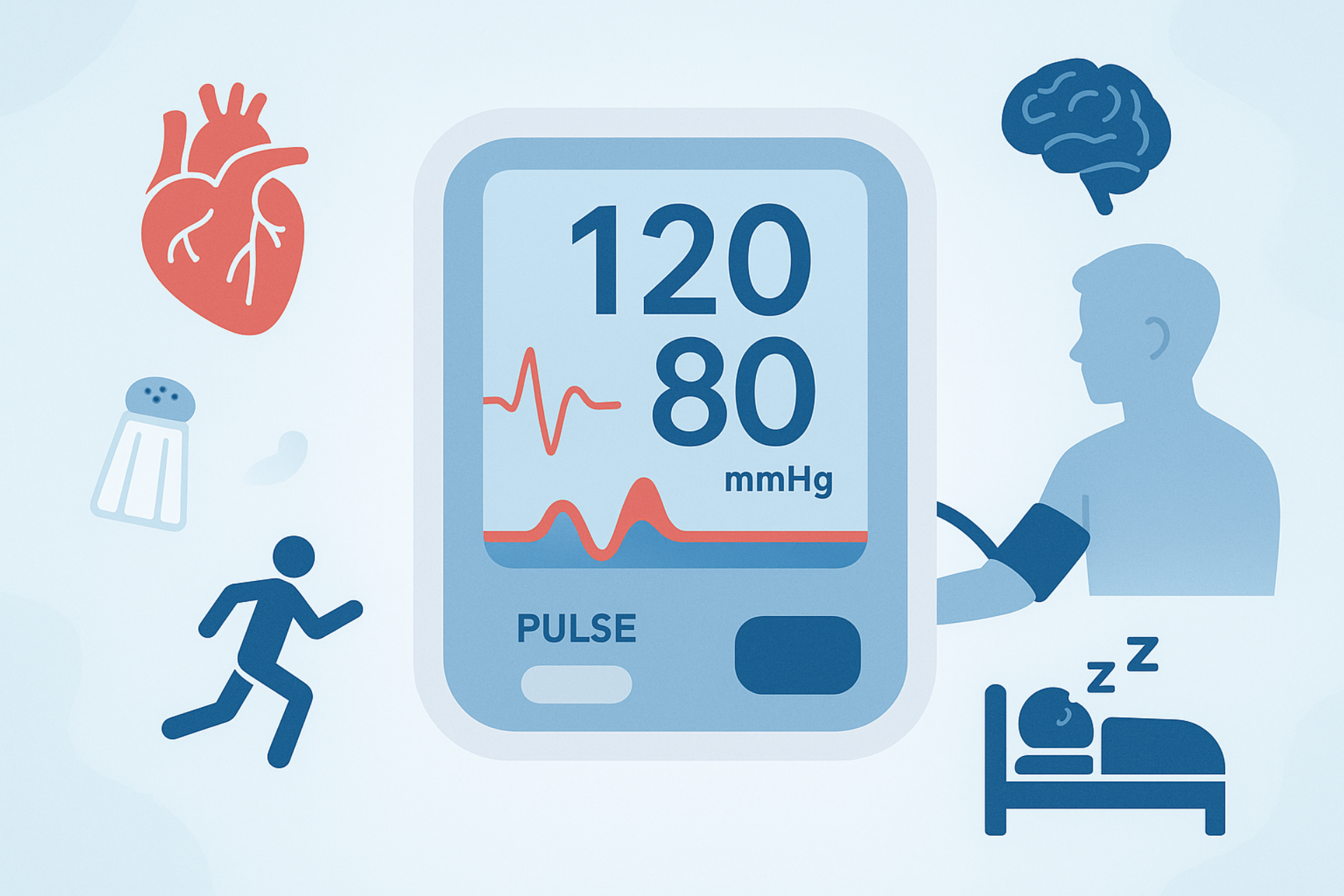
Let’s start with the basics. Blood pressure is the pressure of blood against your artery walls when your heart pumps. It is measured in mmHg (millimeters of mercury). You will always see two numbers:
- Systolic—the top number. It shows pressure when your heart beats.
- Diastolic—the bottom number. It shows pressure when your heart rests.
Knowing these numbers helps you understand your blood pressure better.
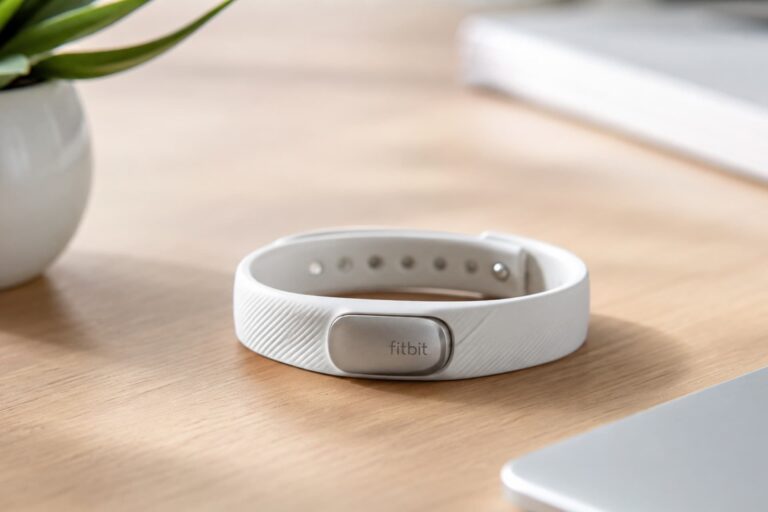
So, how does blood pressure work? It happens when your heart tightens and relaxes, creating pressure inside your arteries. You can check your blood pressure with a simple, painless test. Doctors usually use a blood pressure cuff (called a sphygmomanometer) for this. Most of the time, it’s measured on your upper arm. Some smart devices can show an estimate of your blood pressure. However, they are not always correct. Only proper medical devices can give accurate results. For the most reliable reading, a doctor should check it with proper equipment.
Recognizing the Signs: How Blood Pressure Feels
Understanding how blood pressure symptoms manifest is crucial. High blood pressure often goes unnoticed, which is why it’s often referred to as “the silent killer. You may experience hypertension without symptoms for years. However, when it’s very high, can high blood pressure cause headaches? Yes, very high blood pressure can cause strong headaches. You may also feel dizzy or notice changes in your vision. When blood pressure is too low, it can make you feel lightheaded, tired, or even faint. Some people with high blood pressure feel a dull pain at the back of the head or a general sense of discomfort. Many people worry when they feel dizzy with blood pressure changes. This can happen with both very high and very low blood pressure.
The Dynamics of Blood Pressure: What Affects It and Why It Changes
Many factors can influence your readings. Blood pressure can be affected by diet, stress, exercise, sleep, medication, and even time of day. This is why blood pressure naturally goes up and down throughout the day.
Let’s delve into specific scenarios:
- Why is blood pressure high? High blood pressure can happen for many reasons. It may be caused by your genes, eating too much salt, or not getting enough exercise. Stress can raise your blood pressure. Being overweight can also make it worse. Some health problems may cause high blood pressure, too.
- Why is blood pressure high in the morning? This “morning surge” is common and can be a risk factor for cardiovascular events.
- Why is blood pressure high at night? Blood pressure usually goes down when you sleep. If it stays high at night, it may be a sign of a health problem.
- Why is blood pressure low? This can happen for several reasons. It may be due to dehydration or some medicines. Heart problems or serious infections can also cause it.
- Will blood pressure be higher after eating? After you eat, your blood pressure drops a little. This happens because more blood moves to your stomach to help with digestion. But in some people, especially older adults, it can drop a lot more.
- Will blood pressure be high after exercise? Yes, your blood pressure goes up when you exercise. This happens because your heart beats faster and pumps more blood. After you finish exercising, your blood pressure should go back to normal.
- Will blood pressure be higher when sick? Often, yes. Illnesses, especially those involving fever or inflammation, can temporarily elevate blood pressure. Your daily habits affect your blood pressure a lot. Drinking too much alcohol can make your blood pressure go up. Caffeine can also raise it for a short time, though people who drink it often may get used to it. Stress and anxiety can cause a quick rise in blood pressure, too. Some people check their blood pressure on an empty stomach to get a more accurate reading.
Understanding Your Numbers: High, Low, and Ideal Ranges
Knowing which blood pressure number is more important is vital. Both systolic (top) and diastolic (bottom) numbers are important. However, for people over 50, doctors usually focus more on the systolic reading. Which blood pressure number is most important? This is crucial to keep in mind, as high blood pressure is a significant risk factor for heart disease.
When your blood pressure stays at 130/80 mmHg or higher, it is considered high.
This puts extra pressure on your heart and arteries.
When it drops too low—usually below 90/60 mmHg—your organs don’t get enough blood.
This can cause dizziness or even fainting.
If your blood pressure is low, there are a few things you can do. Drink more fluids to stay hydrated. You can also eat a little more salt if your doctor says it’s safe. Raising your feet while resting can help improve blood flow, too. For persistent issues, medical consultation is key. When blood pressure increases suddenly or significantly, it attracts attention.
Understanding what the ideal blood pressure is by age is complex, as it varies. Generally, an ideal reading for most adults is below 120/80 mmHg. However, specific targets can vary for different age groups and conditions. Blood pressure levels can be different for each age group. For example, women over 60 may have different target ranges than younger adults. Pregnant women have special blood pressure guidelines. These help doctors check for problems such as preeclampsia. Even children, like 4-year-olds, have their own charts based on age, gender, and height.
Medication and Management
Certain readings are red flags that necessitate immediate medical attention. Blood pressure that goes above 180/120 mmHg is very dangerous. This level is close to a hypertensive crisis and needs immediate medical help. If your reading stays this high, you should go to the hospital right away—even if you don’t feel sick. If you have chest pain, signs of a stroke, or trouble breathing, seek emergency care. Extremely high or “near-death” blood pressure levels. This can cause serious organ damage and can be life-threatening.
When to Seek Immediate Help
Certain readings are red flags that necessitate immediate medical attention. Blood pressure near heart attack levels (e.g., above 180/120 mmHg) or blood pressure near 200 is extremely dangerous and can indicate a hypertensive crisis. These situations warrant urgent care, and knowing when blood pressure is high enough to go to the hospital is crucial (generally readings persistently above 180/120 mmHg, even if asymptomatic, or lower readings accompanied by severe symptoms like chest pain or stroke signs). The same urgency applies to near-death blood pressure readings, which are severely abnormal and indicate critical organ failure.
Serious Complications and Related Conditions
Uncontrolled blood pressure can lead to extreme fitness effects. High pressure can cause a stroke through the unfavorable blood vessels in the brain. Yes, untreated high blood pressure can be deadly. It can cause a heart attack, stroke, kidney failure, or other serious problems.
Blood pressure and heart rate are closely connected. Both show how well your heart and blood vessels are working. When blood pressure is high, the heart rate often increases too. This can raise the risk of a heart attack and other heart problems. When you have a serious heart problem, like a heart attack or heart failure, it’s important to control your blood pressure. Keeping your blood pressure steady helps protect your heart. Keeping it at a healthy level can help protect your heart and improve recovery.
Distinguishing from Other Health Metrics
It’s helpful to distinguish blood pressure from other vital signs. Blood pressure and blood sugar are two different things. Blood pressure shows how strongly your blood pushes against your artery walls. Blood sugar shows how much glucose is in your blood. Both are very important for your health, but they measure different things.
The word “hypertension” means high blood pressure. It’s the medical term doctors use. Blood pressure and cholesterol are also different. Blood pressure measures the force of blood flow, while cholesterol is a fatty substance in the blood. Both can affect your heart, but in different ways.
When donating blood, your blood pressure must be in a healthy range. This rule helps keep both the donor and the receiver safe. Clear guidelines are followed to make sure it’s safe for you to give blood. Getting a blood pressure check without symptoms is a good way to stay on top of your health before issues arise.
Stay updated with the latest blogs by visiting our website.