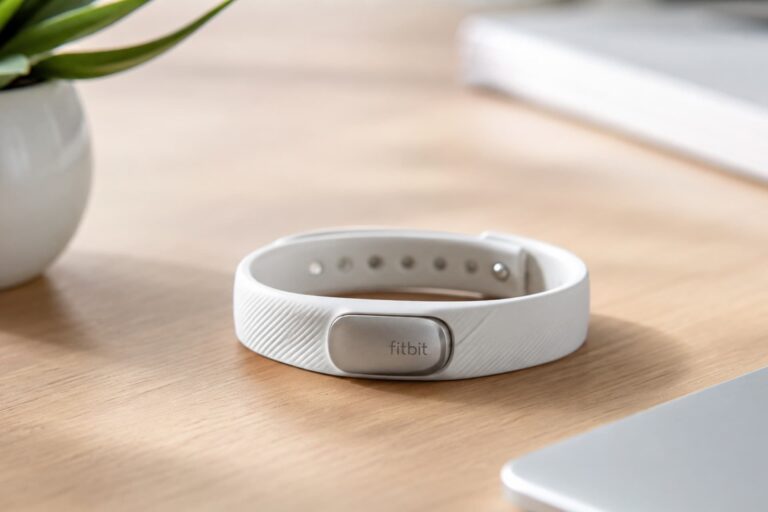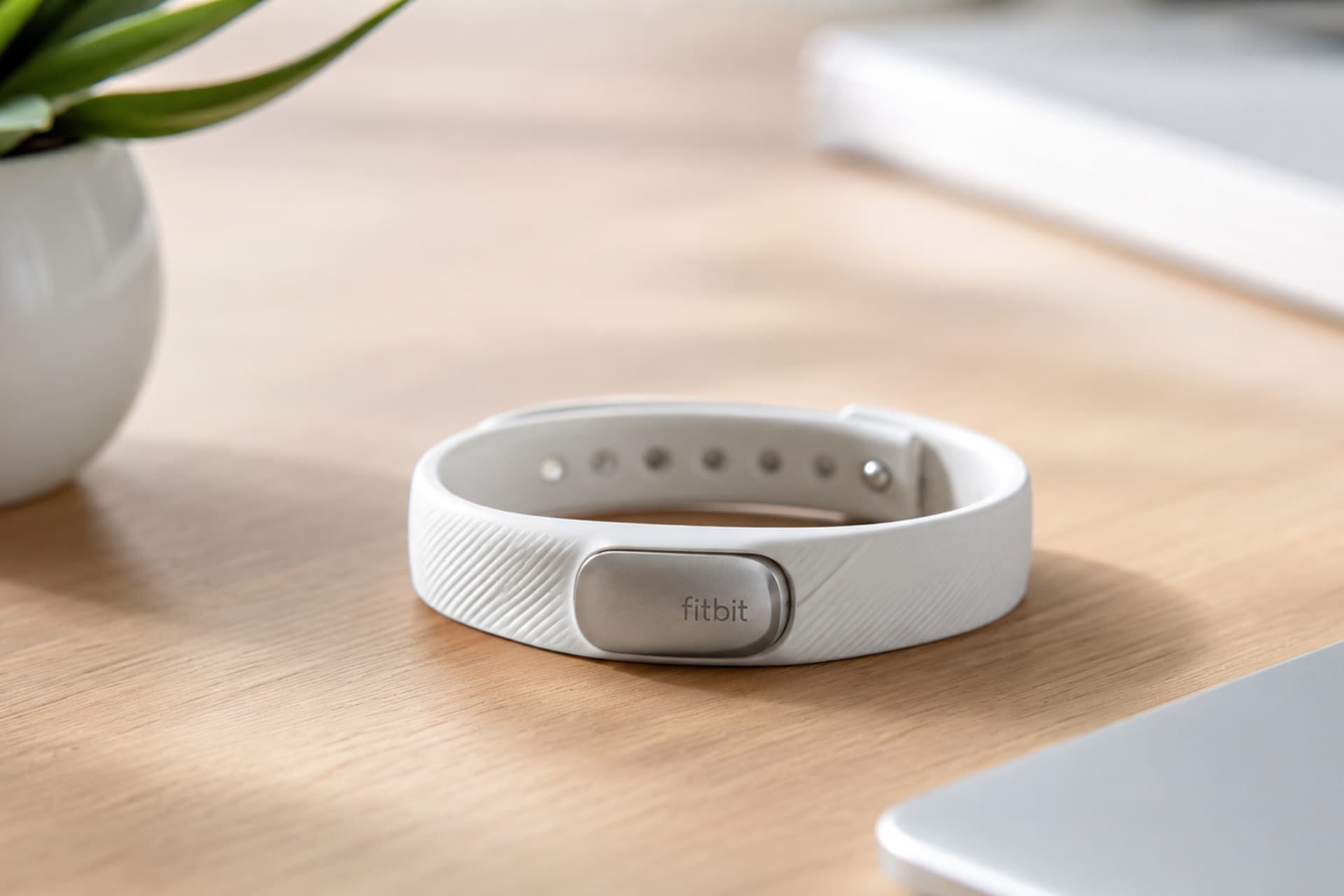
If you are like me, you probably want to track your health without feeling like you are wearing a clunky piece of tech. I have always struggled with wearables that feel too bulky or distracting. That is exactly why I was so excited to get my hands on the new Fitbit Air.
It is the latest addition to the Fitbit family, and it is a complete departure from the screen-based trackers we are used to. In this post, I will share everything you need to know about this tiny, screenless powerhouse and why it might just be the health partner you have been waiting for.
What is the Fitbit Air?
The Fitbit Air is our smallest, most affordable tracker yet. It is designed to be a “proactive wellness partner” that you can wear 24/7 without even noticing it.
Unlike a traditional smartwatch, the Fitbit Air is completely screenless. It is a tiny, discreet pebble that hides away on your wrist, allowing you to live in the moment rather than constantly staring at notifications. Even though it is small, it is packed with high-fidelity sensors that track the following:
- 24/7 Heart Rate: Giving you a constant look at your cardiovascular health.
- Sleep Tracking: Detailed insights into your sleep stages and duration.
- Heart Rhythm Monitoring: Includes AFib alerts to keep you informed.
- SpO2 and HRV: Tracks your blood oxygen levels and heart rate variability.
Is the Fitbit Air worth it?
Whether you are a fitness fanatic or just someone trying to stay a bit more active, the value of the Fitbit Air is clear. Priced at $99.99, it is significantly more affordable than many competitors, such as smart rings or high-end sport straps.
I find it worth it for three main reasons:
- Comfort: It is so lightweight that you will honestly forget it is on your wrist.
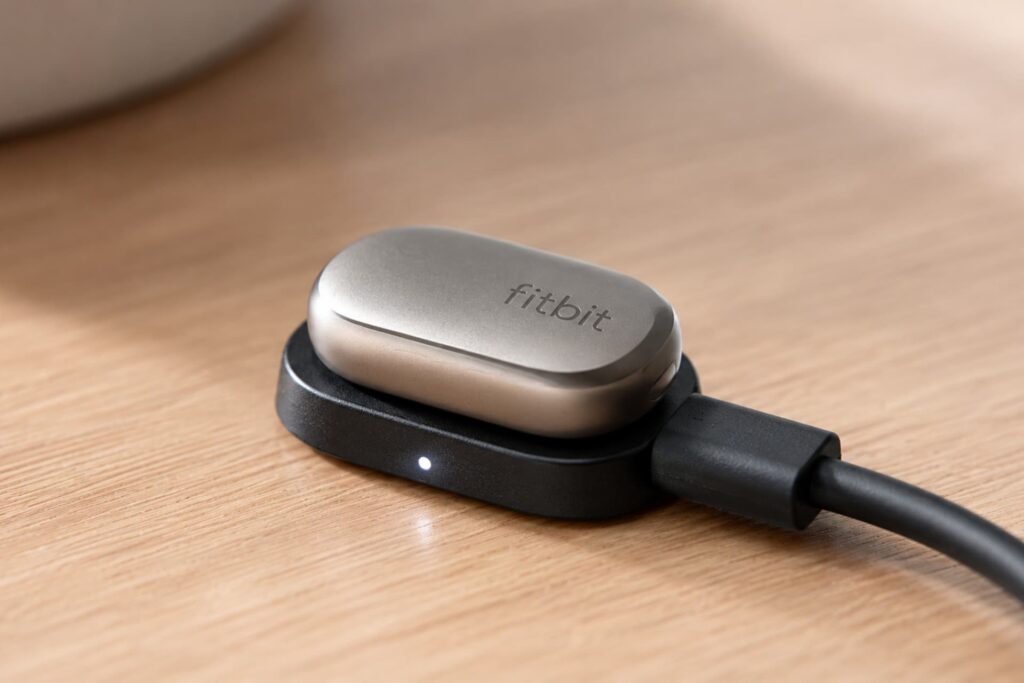
- Battery Life: It lasts up to a full week on a single charge, which is perfect for my busy schedule.
- Holistic Insights: It integrates seamlessly with the Google Health app, providing deep insights that you can check whenever you want.
Subscription and Pricing Questions
One of the most common questions I get is about the monthly cost.
- Will the Fitbit Air require a subscription? No, you do not need to pay a monthly fee to use the Fitbit Air. You can access all your basic health data for free through the Google Health app.
- Is the Fitbit Air subscription free? Every new Fitbit Air comes with a three-month trial of Google Health Premium, which unlocks the full power of the AI-driven Google Health Coach. After that, you can choose to continue the membership for $9.99 per month or $99.99 per year if you want that extra level of personalized guidance.
Key Features & Compatibility
I know compatibility is a huge deal for most of us.
- Does the Fitbit Air work with an iPhone? Yes, it is fully compatible with both Android (11+) and iOS (16.4+) devices.
- Will the Fitbit Air have GPS? It does not have built-in GPS. Instead, it uses your smartphone’s GPS to track your outdoor workouts.
- Can the Fitbit Air answer phone calls? No, it does not have a screen or speaker for calls. It is designed to be a “notification-free” experience, keeping you focused on your health rather than your phone.
Frequently Asked Questions (FAQs)
Which Fitbit can detect heart problems?
The Fitbit Air is equipped with sensors that allow for heart rhythm monitoring and can provide Afib alerts.
Why is Fitbit no longer popular?
Fitbit remains very popular and has actually evolved its strategy to offer devices at different price points and form factors, such as the new screenless Air, to reach more people.
Can Fitbit tell if you’re getting sick?
While it is not a medical device, the Fitbit Air tracks heart rate variability (HRV) and resting heart rate. Sudden, persistent changes in these metrics can sometimes act as a sign that your body is under stress, which many users find helpful for recovery.
Is the Fitbit Air accurate?
In testing, the Fitbit Air has shown excellent accuracy for heart rate and sleep tracking, often rivaling much more expensive devices.
Can I use my Fitbit without paying a monthly fee?
Absolutely. You get full access to your core metrics, such as steps, sleep, and heart rate, without any ongoing subscription.
Is there a Fitbit for diabetics?
Fitbit trackers are not medical devices intended to manage diabetes. However, many people with diabetes use the activity tracking and heart rate features to stay active and manage their general fitness.
Should I take my Fitbit off when I shower?
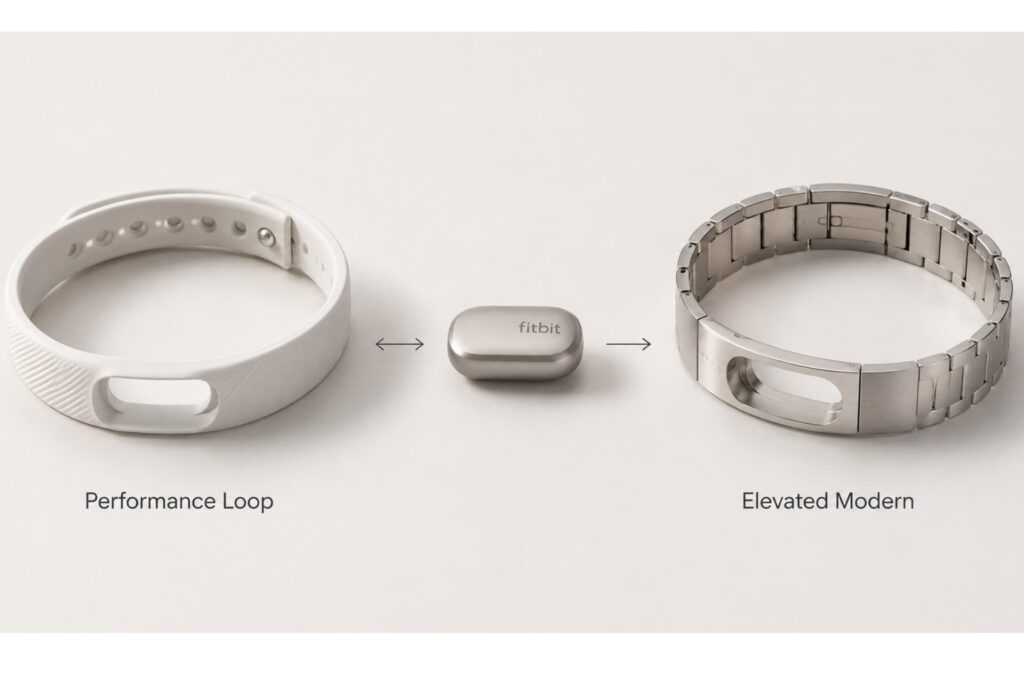
The Active Band for the Fitbit Air is sweatproof and waterproof, so you generally don’t need to worry about water splashes. However, it is always a good practice to keep the device clean and dry after exposure to soap or pool chemicals.
What is the typical lifespan of a Fitbit?
With proper care and regular charging habits, a Fitbit tracker can last for several years of consistent daily use.
The Fitbit Air is a wellness and fitness tracker. It is not intended for medical purposes, diagnosis, or treatment. Always consult with a doctor if you have concerns about your health.
Stay updated with the latest blogs by visiting our website.